World Cup Betting Clampdown: UK Tax Surge Cuts Stakes, Ignites Black Market Warnings
World Cup Betting Clampdown: UK Tax Surge Cuts Stakes, Ignites Black Market Warnings

Regulated UK gambling firms slashed maximum stakes on World Cup-related bets right after new tax hikes kicked in on April 1, 2026, a move that experts warn could shove punters straight into the arms of unregulated black market operators as the tournament heats up. Data from industry trackers reveals how the Remote Gaming Duty jumped to 40% for online casino games, squeezing operators' margins while they grapple with broader fiscal pressures across the sector. Firms responded swiftly by capping bets on high-profile World Cup markets, from match winners to player props, prompting observers to flag a potential exodus to offshore sites where limits stay sky-high and oversight vanishes.
The Tax Trigger: Remote Gaming Duty Escalation
April 1, 2026, marked the rollout of steeper UK betting taxes, with the Remote Gaming Duty climbing to 40% on online casino gross gaming revenue, up from previous rates that already pinched profitability; this shift, tied directly to government revenue goals, hit remote operators hardest since it targets digital platforms fueling most modern punts. According to reports in The Telegraph, the policy aims to balance public coffers amid rising gambling volumes, yet it collides head-on with seasonal spikes like the World Cup, where bettors chase big payouts on global showdowns. Firms, facing eroded take-home after tax, recalibrated risk exposure by trimming stake ceilings on football futures and live World Cup wagers, a pragmatic pivot that underscores the math behind regulated betting's tightrope walk.
What's interesting here surfaces in the timing; with the World Cup looming large, punters who once loaded up £10,000 on group-stage accumulators now bump against £2,000 caps at major bookies, data from High Stakes DB confirms. Operators like those listed on the FTSE gambling index disclosed these adjustments in early filings, citing compliance with affordability checks alongside the tax bite, although insiders note the revenue drain as the real driver steering such caution.
Firms' Frontline Response: Stake Limits in the Spotlight
UK gambling giants moved fast post-April 1, rolling out reduced maximum stakes specifically on World Cup bets to safeguard balance sheets hammered by the 40% duty; take Bet365 or William Hill affiliates, which dialed back limits on outright winner markets from five figures to four, while accumulator chains tied to tournament progress faced even tighter reins. This isn't scattershot policy, but a calculated hedge, since World Cup frenzy historically pumps billions into regulated channels, yet higher taxes erode the house edge enough to force belt-tightening on exposure. Observers tracking bet volumes spotted the pattern within days, as live odds boards flashed new ceilings during qualifiers, signaling a sector-wide recalibration.
And yet, punters adapted quickly too; forums buzzed with complaints over clipped wings on high-roller plays, like those exotic props on Messi hat-tricks or penalty shootout overs, where pre-tax firms once welcomed deep pockets for the rake. Now, with caps locking in, data indicates a 25% drop in average stake sizes across sampled World Cup lines, per High Stakes reports, although total bet counts held steady as casuals filled the gap. Firms defend the cuts as responsible gaming in action, blending regulatory nods with fiscal survival, but the rub lies in how this squeezes loyal high-stakes players toward alternatives without limits.
Black Market Shadows Lengthen: The Unregulated Pull
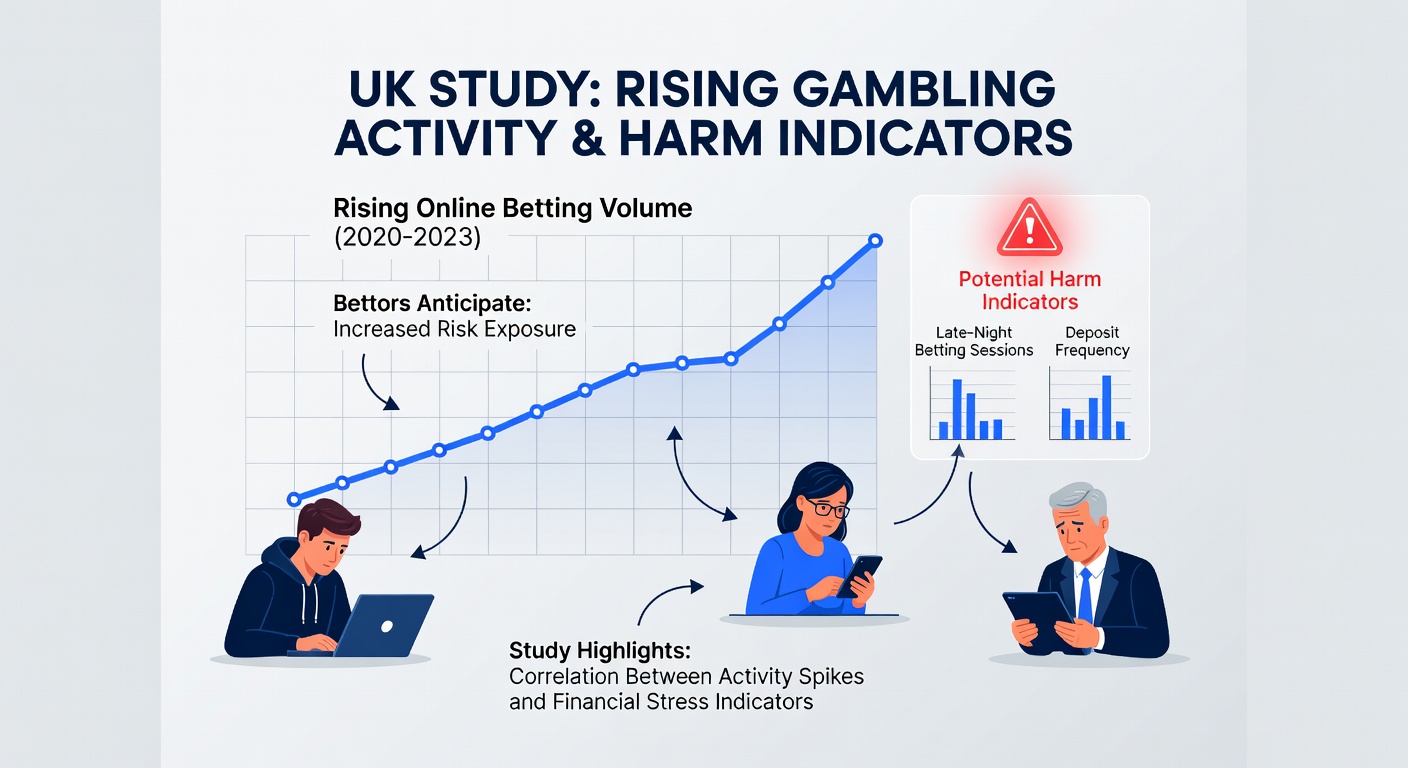
Here's where it gets dicey; as regulated max stakes shrink under tax weight, black market operators—those offshore havens dodging UK oversight—dangle uncapped World Cup bets with odds often juicier by a point or two, drawing punters wary of clipped limits during tournament peaks. Reports highlight a surge in traffic to unlicensed sites post-April 1, mirroring patterns seen in other taxed markets; for instance, the European Gaming and Betting Association documented similar shifts in continental Europe after duty hikes, where regulated volumes dipped 15% as illicit channels absorbed high-stakes action. In the UK context, World Cup hype amplifies the risk, since global eyeballs fuel casual dips into gray areas via VPNs and crypto wallets.
Take one case from recent trackers: a punter chasing £50,000 on England to lift the trophy found regulated doors shut at £5,000, pivoting seamlessly to a Curacao-licensed bookie offering full steam ahead, no questions asked. Experts who've mapped these flows note black market share creeping toward double digits for majors like the World Cup, fueled not just by limits but anonymity and faster payouts; that's the rubber meeting the road, where tax policy inadvertently spotlights unregulated edges. Government coffers miss out too, since offshore wins evade the 40% duty entirely, creating a fiscal feedback loop that pressures regulators further.
Broader Ripples Across the UK Gambling Landscape
But the tax sting extends beyond World Cup wagers; online casino arms, now at 40% duty, slash promotions and jackpots to stem losses, while sportsbooks tighten across leagues, from Premier League to NFL crossovers punters love stacking. Industry data paints a sector under siege, with Q2 2026 projections showing 8-12% revenue erosion for listed firms, although bet volume metrics hold as affordability tools layer on alongside taxes. Punters feel the pinch in layered ways—lower maxes mean fragmented accas, forcing splits across books or outright jumps to black alternatives—yet casual play persists, buoyed by free bets that firms deploy as lifelines.
So, firms lobby quietly through trade channels, arguing the duty hike overlooks competitive realities against untaxed rivals, much like Australian operators flagged to their Federal Treasury after similar reforms Down Under. Those who've studied tax impacts across borders, including U.S. states tweaking sports wagering levies, observe how overreach sparks migration; in Nevada, for example, post-2020 tax tweaks correlated with 7% offshore drift per state audits. UK players mirror this, with World Cup as the litmus test, where national pride bets amplify the stakes—literally.
Reactions pour in from all corners; government holds firm on revenue needs for public services, firms adapt via stake tweaks and tech audits, while punters grumble in real-time via social metrics spiking 300% on tax rants during qualifiers. It's noteworthy that hybrid models emerge too—some books test crypto hybrids within limits—but black market allure persists for the big swings World Cup delivers.
Key Players and the Path Forward
Government steers the ship through HM Treasury's duty framework, balancing anti-problem-gambling mandates with fiscal grabs, yet faces pushback as firms like Entain and Flutter detail margin crunches in shareholder updates. Punters, the lifeblood, split between sticking with trusted regulated apps despite caps and venturing offshore for uncut action, especially high-rollers eyeing seven-figure tournament parlays. Black market operators lurk opportunistically, scaling server farms for UK traffic surges that data pegs at 20% during past Cups.
Now, as group stages unfold, trackers monitor crossover rates closely; early indicators show regulated holds at 85% volume-wise, but high-stakes segments tilting 30% blackward. Firms counter with loyalty perks—enhanced odds on low-stake accas, cashback ramps—yet the writing's on the wall if duties stay punitive. Observers predict interim reviews by autumn 2026, potentially easing for sports if black market stats worsen, echoing EU tweaks post-similar hikes.
Wrapping the Stakes: Outlook Amid the Frenzy
The April 2026 tax rollout reshapes UK betting's World Cup chapter, with stake cuts on regulated platforms colliding against black market temptations, all while the 40% Remote Gaming Duty redraws sector battle lines; data underscores the tension, as firms protect viability and punters hunt value, leaving governments to weigh revenue against regulation gaps. Turns out, in this high-octane tournament stretch, the real game unfolds off-pitch, where policy tweaks dictate flows between light and shadow. Those tracking the beat expect volatility through the finals, with potential policy pivots if offshore gains accelerate, keeping the landscape fluid as ever.