UK Establishes Major Independent Hub to Examine Gambling-Related Harms

The United Kingdom has introduced Gambling Harms Research UK, a substantial new independent centre designed to investigate the wide-ranging effects of gambling activities, and this development brings together expertise from several leading academic institutions including the universities of Glasgow, Sheffield, and Swansea along with King’s College London.
Officials from the Department for Culture, Media and Sport worked with UK Research and Innovation to establish the centre through a statutory levy mechanism, which channels dedicated funds into projects that fill longstanding gaps in knowledge about policy responses, treatment approaches, and prevention strategies.
Core Focus Areas Driving the Initiative
Teams at the new centre will concentrate on several interconnected themes such as the relationship between gambling and sport, the rise of online and video-game based betting formats, and the broader structural factors that contribute to harm across different population groups, while earlier work that includes thirty-two rapid evidence reviews plus nineteen Innovation Partnerships provides a foundation for these expanded efforts.
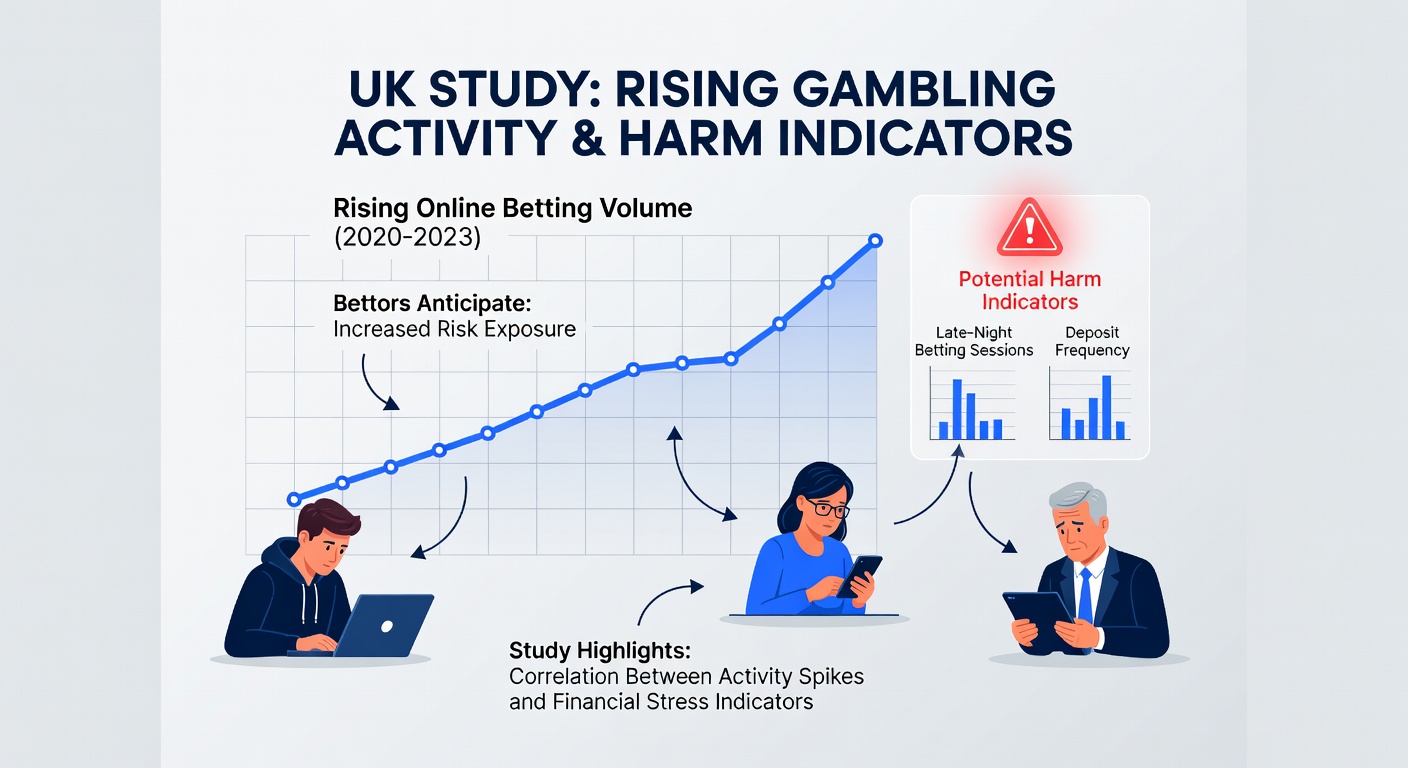
Researchers note that these themes allow for systematic examination of how certain environments and products influence behaviour over time, and data from existing partnerships already highlights patterns in participation that warrant closer scrutiny through coordinated studies.
Funding Structure and Institutional Collaboration
Resources flow directly from the statutory levy administered via UK Research and Innovation, which ensures the centre operates with a degree of independence from industry sources, and this arrangement supports multi-year investigations that draw on the combined strengths of the four-university consortium.
Each participating institution contributes specialised capabilities ranging from epidemiological analysis to behavioural economics and digital platform studies, creating opportunities for integrated projects that address both immediate treatment needs and longer-term societal drivers.
Building on Prior Evidence Gathering Efforts
Work already completed through the rapid evidence reviews and Innovation Partnerships supplies baseline information that the centre can extend, and observers point out that these preliminary outputs cover topics from prevalence estimates to intervention effectiveness, which now feed directly into more targeted research agendas.
By May 2026 the centre expects to have advanced several of these follow-on studies to the point where interim findings can inform ongoing policy discussions, although full results from larger longitudinal components will continue to emerge beyond that timeframe.
Expected Contributions to Policy and Practice
Evidence generated through the centre aims to support more precise decision-making in regulatory settings, clinical environments, and community prevention programmes, while consortium members emphasise the importance of maintaining rigorous methodological standards across all outputs.
Those involved in the launch highlight how coordinated research can reveal connections between product design features and harm indicators that fragmented studies have only partially illuminated so far, and this integrated perspective is intended to guide refinements in both treatment protocols and public information campaigns.
Conclusion
The establishment of Gambling Harms Research UK marks a significant step toward consolidating independent academic capacity in this field, and the combination of statutory funding, university collaboration, and existing evidence foundations positions the centre to produce findings that address current knowledge shortfalls over the coming years.