UK Bookmakers Ready Massive Preparations as 2026 FIFA World Cup Looms as Historic Betting Milestone

Anticipation runs high across the UK gambling sector as the 2026 FIFA World Cup approaches, with industry analysts projecting it will surpass all previous events in betting volume adn activity. The tournament scheduled to begin in June 2026 draws attention from operators who have already started scaling infrastructure, marketing campaigns, and risk management protocols to handle the expected surge in wagers on matches spanning multiple host nations.
Data from past tournaments shows consistent growth in betting participation, yet projections for 2026 indicate a scale that exceeds earlier World Cups by a significant margin according to reports circulating among UK-based bookmakers. Operators have cited advancements in mobile platforms and real-time betting features as key factors that will drive engagement during the month-long competition.
Operators Expand Systems for Expected Volume
Bookmakers across the United Kingdom have initiated technical upgrades and staffing increases to accommodate the projected influx of bets, with particular emphasis on live in-play wagering that allows customers to place stakes during matches. These preparations include enhanced server capacity and partnerships with data providers to deliver updated odds across dozens of simultaneous fixtures.
Industry statements emphasize that such readiness ensures uninterrupted service even during peak moments like group stage matches or knockout rounds, while compliance teams review protocols to align with existing regulatory standards. The scale of the event has prompted some firms to allocate additional resources for customer support hotlines and responsible gambling tools that activate automatically during high-traffic periods.
Campaigners Highlight Cross-Promotion Concerns
Gambling reform advocates have issued statements warning that the World Cup betting surge could lead to increased exposure to casino products through targeted promotions, noting that operators often bundle sports betting offers with casino game incentives. These groups point to patterns observed in previous major tournaments where marketing campaigns expanded beyond football into slots and table games.
Evidence gathered by campaign organizations suggests that a subset of bettors who engage heavily during sports events later receive personalized casino promotions, raising questions about how data from one product category influences outreach in others. Campaigners have called for stricter separation between sports betting advertising and other gambling verticals during the tournament window.
Betting and Gaming Council Outlines Existing Safeguards
The Betting and Gaming Council has responded by underscoring the framework of consumer protections already in place across the UK market, including mandatory age verification checks and self-exclusion registers that prevent individuals from accessing multiple operator sites. These measures apply uniformly to both sports betting and casino offerings, with operators required to verify customer identities before any account activity begins.
Council representatives have noted that self-exclusion tools allow users to set time limits or block access entirely, while deposit limits and reality checks provide additional layers of control during extended betting sessions. Data shared by member companies indicates high compliance rates with these requirements, particularly ahead of high-profile events where activity intensifies.
Report Examines Revenue Concentration Patterns
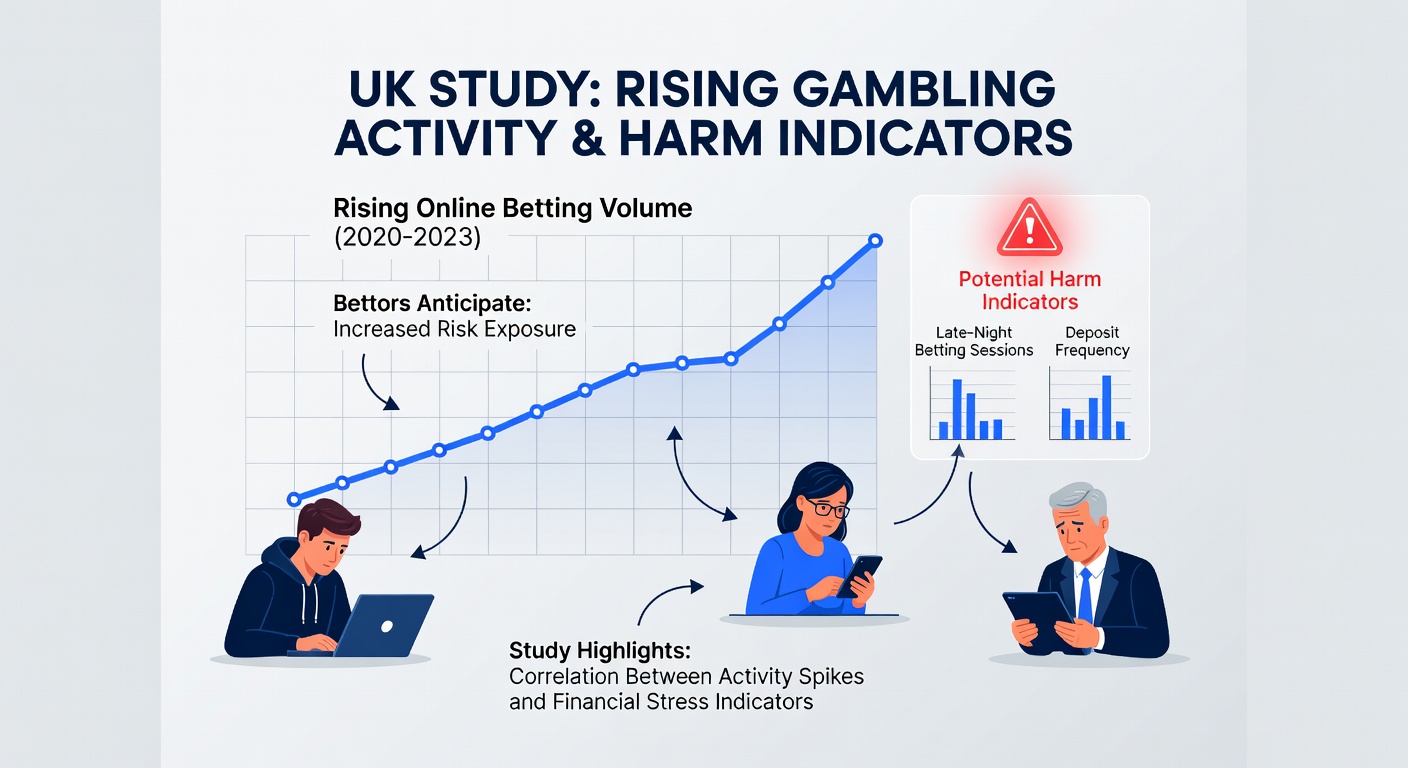
A cited industry report has drawn attention to spending distributions within the gambling sector, revealing that a small percentage of high-volume customers account for the majority of total revenue generated by operators. This pattern, documented across multiple years of transaction data, shows that while participation numbers rise during events like the World Cup, revenue remains heavily influenced by a concentrated group of active bettors.
Figures within the report illustrate how average customer spend varies widely, with most participants placing modest stakes while a minority sustain larger volumes over time. Observers note that this distribution holds steady across different sports markets and does not appear unique to football tournaments, though major events amplify overall visibility of these trends.
Operators maintain that segmentation tools allow them to monitor activity levels and intervene where patterns suggest elevated risk, consistent with licensing conditions set by the UK Gambling Commission. These interventions include direct outreach and account reviews triggered by specific behavioral indicators.
Conclusion
As June 2026 draws closer, preparations by UK bookmakers continue alongside ongoing discussions between industry bodies and reform advocates about how existing safeguards will function under increased volume. The cited report on revenue concentration provides context for understanding where activity concentrates, while age verification and self-exclusion measures remain central to the regulatory framework described by the Betting and Gaming Council. Further updates from operators and oversight bodies are expected as tournament scheduling details finalize and marketing plans roll out in the months ahead.