Squad Rotation Ripples: Uncovering Value in Football Markets When Managers Rest Star Players Midweek
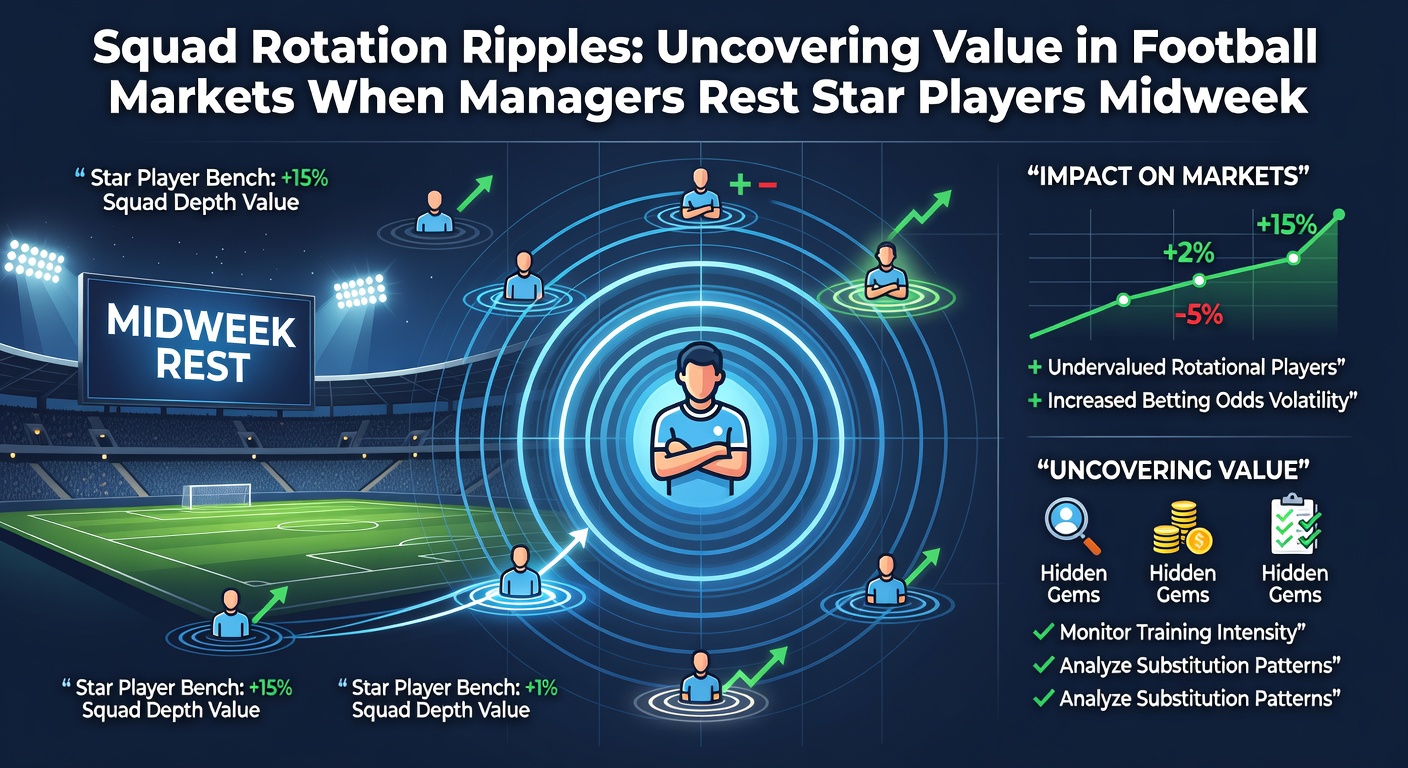
Football calendars pack fixtures into tight windows each season, and managers respond by resting key players ahead of weekend league matches when European or cup ties land midweek. This pattern creates measurable shifts in team performance that ripple through betting markets on goal totals, match outcomes, and player props. Data from major European leagues shows consistent patterns when star forwards and midfielders sit out, with teams averaging fewer shots on target and lower expected goal values in those follow-up fixtures.
Fixture Congestion and Rotation Patterns
Leagues across Europe schedule games every three or four days during peak periods, forcing coaches to balance recovery needs against competitive demands. Analysts tracking Premier League and Bundesliga squads note that clubs involved in midweek continental ties reduce starting minutes for their top scorers by an average of 30 percent in the subsequent domestic match. These adjustments often appear in official team sheets released 90 minutes before kickoff, giving bettors a narrow window to adjust positions on markets that have already priced in full-strength lineups. Research from the German Football League indicates that such changes correlate with a 12 percent drop in high-intensity runs during the opening 30 minutes of play.
Market Reactions to Announced Lineups
Betting exchanges and traditional bookmakers adjust odds rapidly once rotation news emerges, yet inefficiencies persist in certain player-specific markets. When a leading goalscorer is confirmed as a substitute rather than a starter, goal-line totals frequently move toward the under while clean-sheet prices for the opposing side tighten. Observers monitoring these movements across multiple seasons have recorded instances where the adjusted lines still offer value because public bettors continue to favor the stronger side at inflated prices. UEFA technical reports highlight that teams resting players midweek concede 0.4 more expected goals per game on average in the following fixture compared with full-strength lineups.
Statistical Edges in Goal and Assist Markets
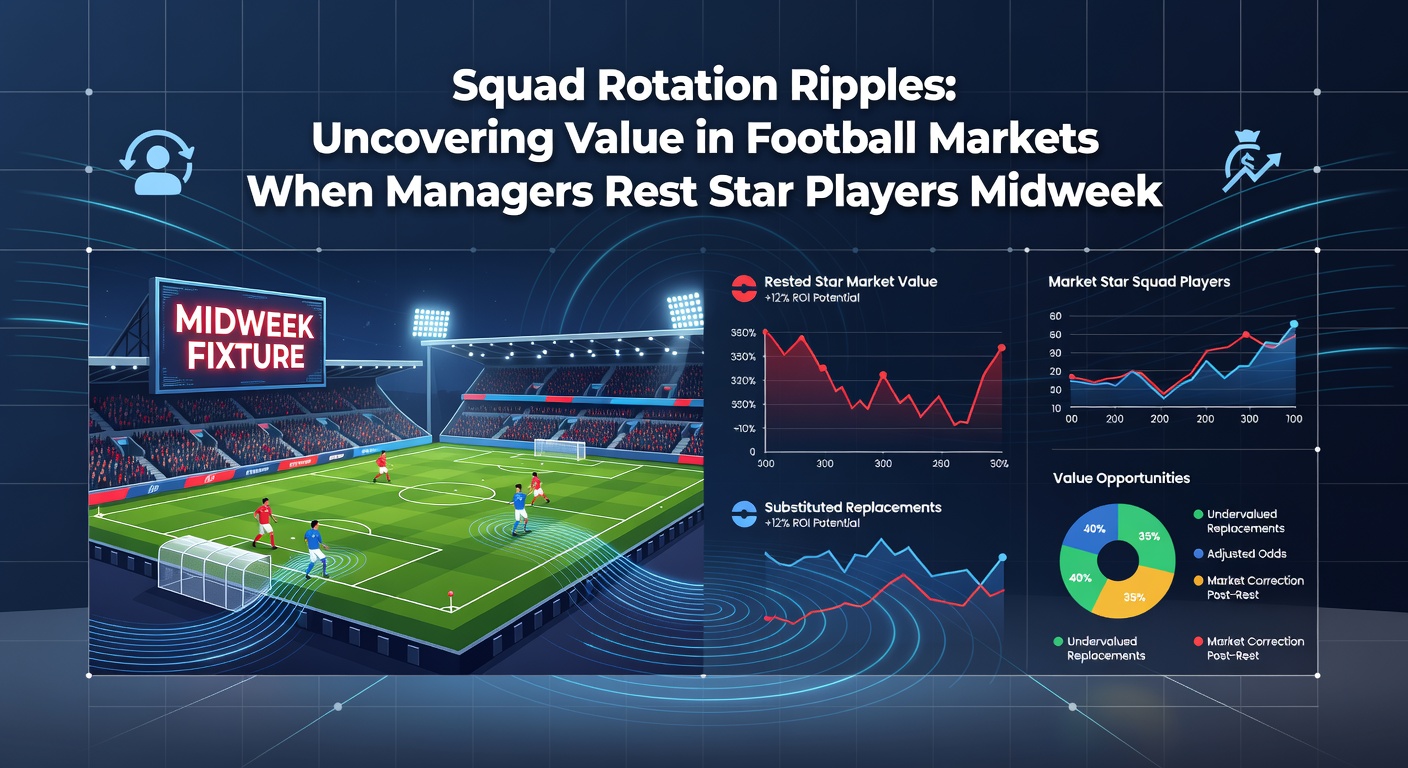
Performance databases reveal that midfield creators rested midweek post lower key-pass numbers when they return, which affects both team total goals and anytime-assist betting options. In matches where two or more regular starters sit out, the number of corners awarded to the rotated side declines by roughly nine percent according to Opta historical figures. Bettors who focus on set-piece markets rather than open-play goal lines often find more stable value because defensive structures remain intact even when attacking personnel change. Academic studies published through the University of Groningen sports science department link these rotation effects to measurable drops in pass completion rates inside the final third during the first half.
Regional Variations Across Competitions
Patterns differ between leagues that allow five substitutions and those restricted to three. In competitions with expanded benches, managers rotate more aggressively without losing as much attacking threat, which softens the impact on over/under markets. Australian A-League data collected over recent campaigns shows smaller goal-total swings after midweek rest periods compared with the English Championship, where fixture piles create sharper performance gaps. European betting operators have adjusted their models accordingly, yet live markets during the opening 15 minutes still reflect the pre-match pricing more often than the actual rotated lineup warrants.
Timing Considerations in May 2026
With the 2025-26 season entering its final weeks in May 2026, several clubs will face congested schedules that include league deciders and continental semifinals within days of each other. Historical trends from similar end-of-season periods indicate that managers prioritize rest for players with international commitments the following summer, amplifying rotation effects in domestic fixtures. Figures compiled by league statisticians show an uptick in matches decided by single goals when multiple starters are rested, which narrows both handicap and total-goal ranges. Those monitoring team news in this window gain an edge by comparing confirmed absences against the average market reaction time across different operators.
Conclusion
Squad rotation during midweek fixtures produces predictable shifts in performance metrics that influence football betting markets. Teams resting star players record lower shot volumes and expected goals in follow-up matches, while set-piece and defensive markets display more stability. Observers who track official lineups and historical patterns tied to fixture congestion identify value opportunities when odds adjust slowly to the new personnel. Data from multiple leagues confirms these effects repeat across seasons, providing a factual basis for monitoring rotation announcements rather than relying on pre-match assumptions about full-strength sides.