Squad Rotation Realities: Tracking Depth Choices in Football's Congested Fixtures
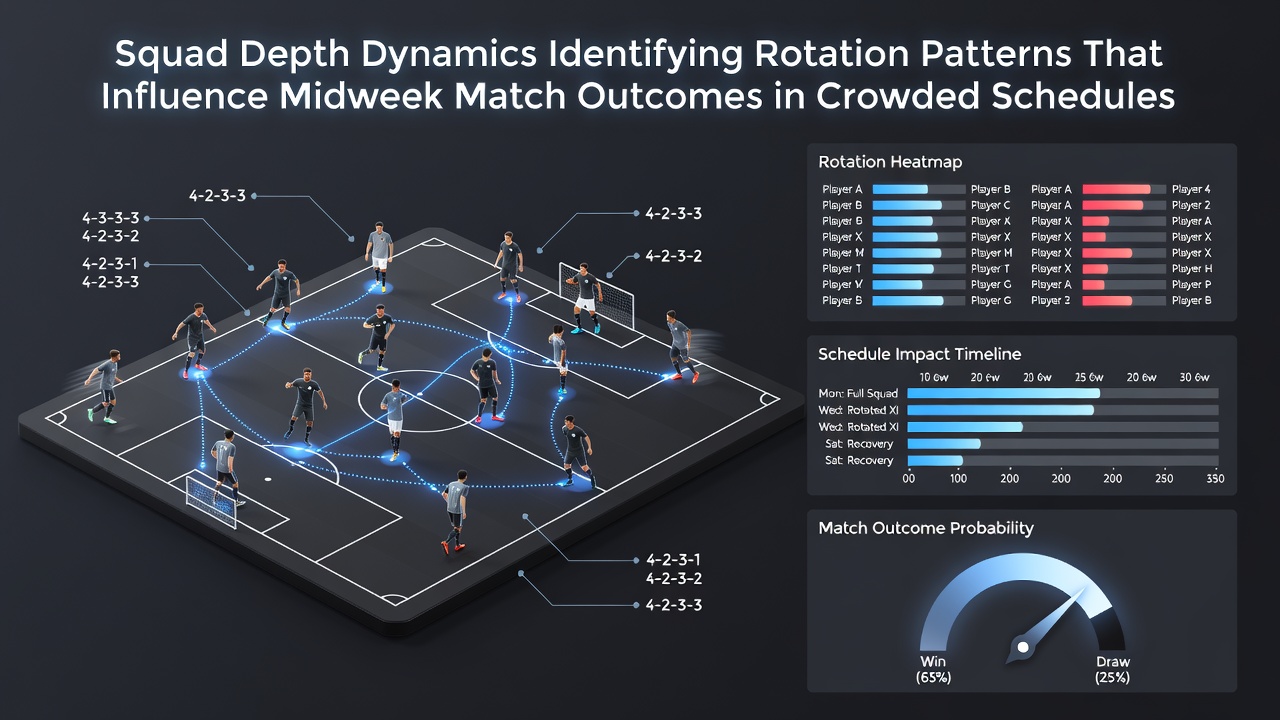
Football calendars pack multiple competitions into tight windows, and squad rotation emerges as the primary tool clubs use to manage player availability. Midweek fixtures often arrive after weekend league games, creating recovery gaps that stretch from 48 to 72 hours in many cases. Teams with greater depth tend to adjust lineups more aggressively, while shallower squads stick closer to established starters.
Calendar Pressures Shape Rotation Decisions
European leagues schedule domestic cups, continental ties, and league matches in overlapping blocks, particularly during autumn and spring months. Data from UEFA competitions shows clubs in multiple tournaments play up to 60 matches per season, compared with 40 for those focused on one front. July 2026 preparations for expanded international windows add another layer, as clubs anticipate extended breaks and fixture backlogs. Managers therefore scan upcoming weeks and identify games where rested players can maintain performance levels without risking injury spikes.
Common Rotation Patterns Across Leagues
Analyses of Premier League and Bundesliga matches reveal several recurring approaches. One pattern involves swapping central defenders and full backs after high-minute weekends, preserving legs for pressing systems that demand repeated high-intensity runs. Another sees attacking midfielders rested in favor of younger options when the opponent ranks lower in expected goals conceded. Teams also cycle goalkeepers during cup ties, allowing primary keepers extra recovery before weekend returns. These choices correlate with measurable shifts in metrics such as distance covered and pass completion in the first 30 minutes of subsequent midweek games.
Observers note that rotation frequency rises sharply when squads hold at least two players per position with comparable experience. Clubs lacking that depth rotate fewer than 15 percent of starters on average, according to tracking studies covering five major European leagues. The difference becomes visible in second-half statistics, where fatigued sides concede more shots after the 60-minute mark.
Performance Metrics Linked to Rotation Choices
Match outcome data indicates that sides rotating three or more outfield players ahead of midweek fixtures post higher win percentages in those games than teams making minimal changes. A 2024 report from the German Football League tracked 380 Bundesliga fixtures and found that rotation of at least four players correlated with a 7 percent increase in points per game during congested periods. Conversely, minimal rotation linked to elevated injury rates and lower clean-sheet percentages in the following weekend round.
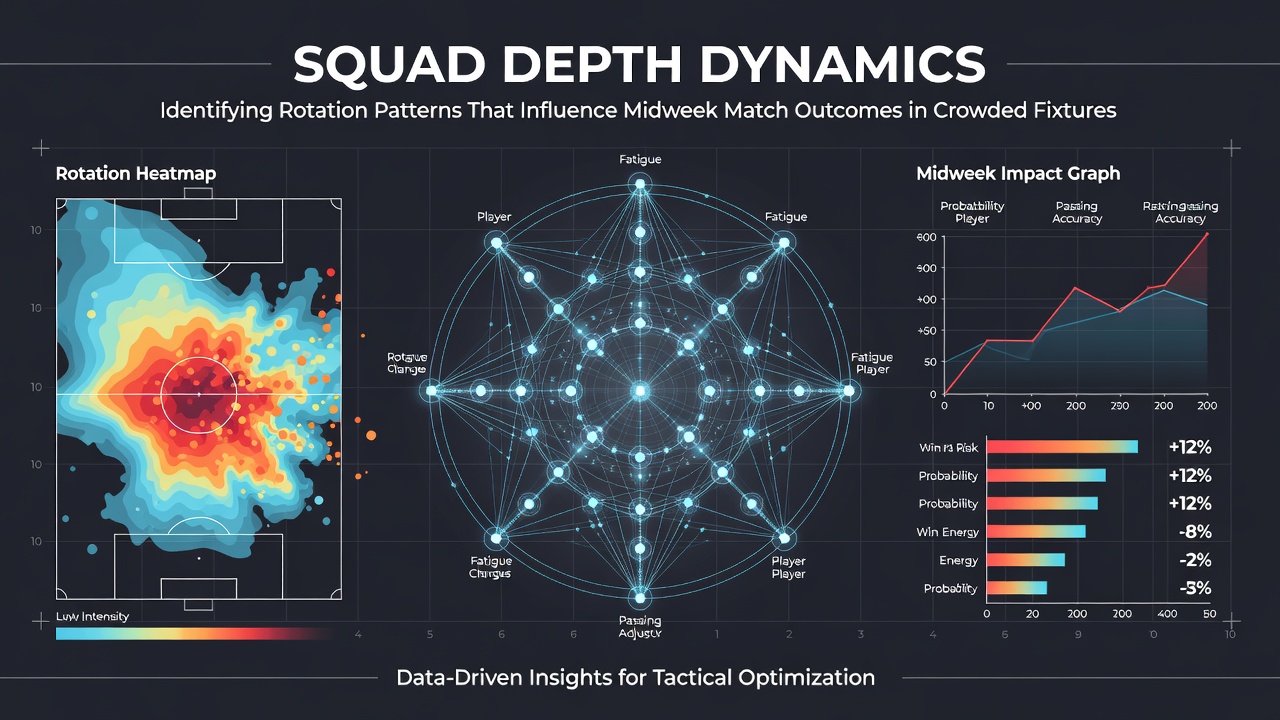
Key indicators include average sprint distance per player and high-speed running totals. When rotation keeps these figures within 5 percent of baseline levels, teams maintain pressing intensity longer. Midweek matches also show clearer separation in set-piece success rates, where fresher defensive units reduce goals conceded from dead-ball situations. Researchers tracking Serie A and La Liga matches have documented similar patterns, confirming that rotation thresholds vary by position and tactical system.
Examples from Recent Seasons
One case involved a top-flight side that rotated its entire midfield trio before a midweek European away fixture. The change preserved passing accuracy above 85 percent into the 75th minute, contributing to a narrow victory. In contrast, a club that retained its weekend starting eleven for a domestic cup tie recorded a 12 percent drop in pressing actions after halftime, resulting in an equalizer conceded late. Such examples illustrate how depth allows targeted adjustments rather than blanket changes across all positions.
International breaks in 2025 and the approach to July 2026 qualifiers further test rotation planning. Clubs monitor player minutes across national team windows and adjust domestic lineups accordingly. Those with academy graduates ready for first-team minutes gain additional flexibility, often inserting them into lower-stakes midweek slots to protect senior players for weekend priorities.
Conclusion
Squad depth directly influences how clubs navigate crowded schedules, with rotation patterns producing measurable effects on midweek results. Data across multiple leagues consistently ties targeted lineup adjustments to sustained performance metrics and improved points accumulation during fixture pile-ups. As calendars expand toward 2026, tracking these patterns offers clearer insight into which teams sustain results across consecutive matches.