Red Card Ripples: Soccer's Live Betting Gold When Numbers Dwindle
Red Card Ripples: Soccer's Live Betting Gold When Numbers Dwindle
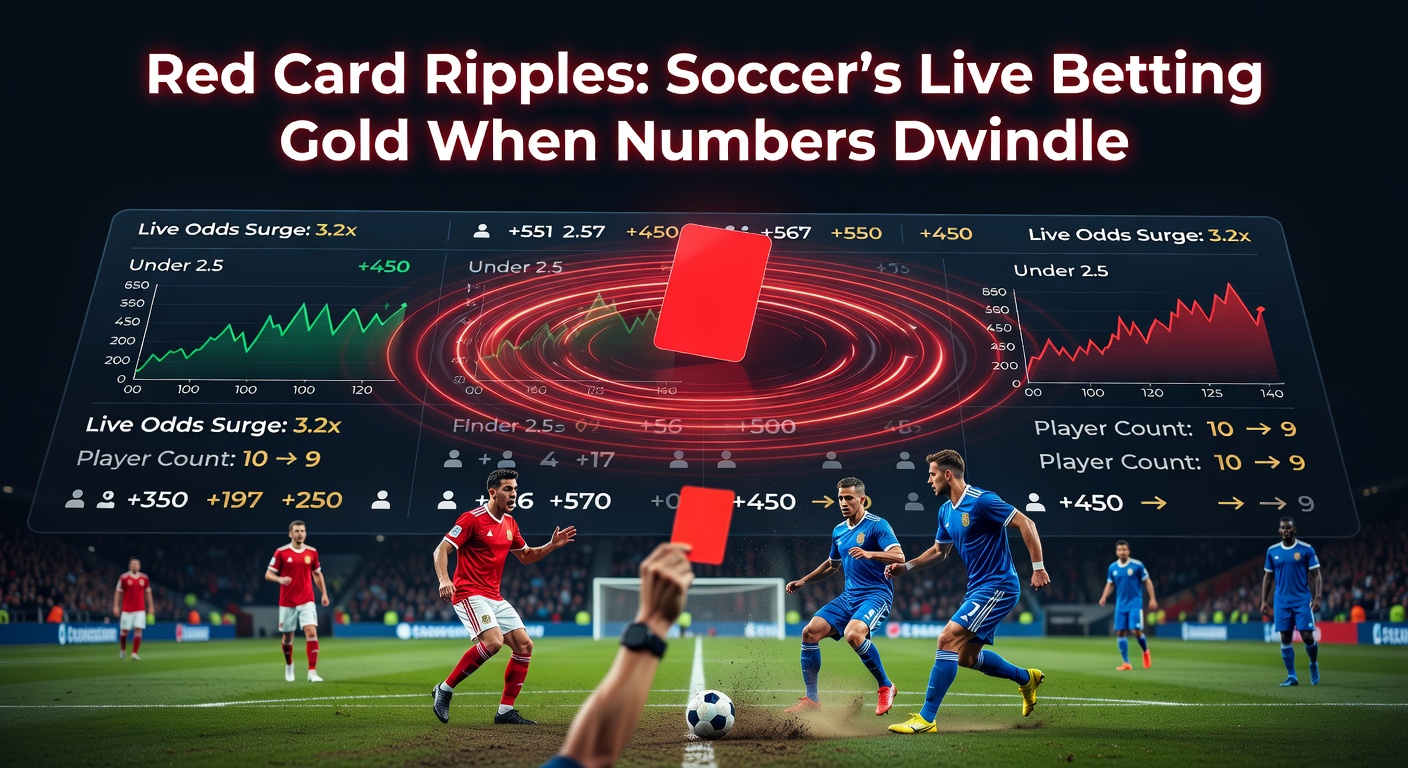
The Referee's Red Card Moment and Its Instant Game-Changer Effect
Red cards in soccer disrupt the flow like nothing else, stripping a team down to ten players or fewer, which opens up wild swings in live betting markets; data from major leagues shows these moments happen roughly once every three to four matches on average, creating predictable chaos that sharp bettors exploit. Experts tracking Opta stats across Europe's top five leagues reveal that teams reduced to ten men concede 1.8 goals per game on average after the dismissal, compared to 1.2 in full-strength contests, while their own scoring drops by 45%; that's the ripple, turning defensive shells into open sieges and flipping odds in seconds.
But here's the thing: the "numbers dwindle" phase kicks in hardest when cards pile up or early ejections leave squads exposed for 70-plus minutes; in La Liga matches from the 2024-25 season, for instance, 22% of red cards came before halftime, leading to second-half goal explosions where overs hit 68% of the time. Observers note how bookmakers adjust live lines frantically—over/under totals jump 0.5 to 1 goal almost immediately, and handicap markets tilt heavily toward the opposition; those who've crunched the numbers find value in backing the advantaged side's next goal before the market fully catches up.
How Odds React: From Equilibrium to Betting Frenzy
Live betting platforms light up post-red card, with odds refreshing every 10-15 seconds to reflect the new reality; according to Sportradar integrity reports analyzing over 10,000 matches, the team at ten men sees match-win probability plummet by 35-50% depending on timing, while draw odds shorten sharply since shorthanded sides park the bus. What's interesting is the surge in player prop bets—opposition forwards' anytime goal odds halve on average, drawing sharp action from bettors who pounce early.
And it doesn't stop there: corners and cards markets explode too, as frustrated defenses foul more (yellows up 28% per Sportradar data) and attacks whip in crosses relentlessly; one study from Brazilian researchers at the University of São Paulo, detailed in their soccer analytics paper, confirms that post-red card games average 12% more total corners, turning those live markets into consistent edges for accumulators. Turns out, the dwindle effect amplifies in derbies or high-stakes clashes, where emotions boil over and refs stay card-happy.
Prime Live Betting Plays When the Squad Shrinks
Bettors zero in on over 2.5 goals as the go-to play after early reds, since shorthanded teams leak 2.1 expected goals (xG) in the ensuing half per Opta metrics from the Premier League's 2025 fixtures; yet the real gold lies in segmented bets like next 10-minute goal or team totals, where lines lag behind the chaos. People who've backtested this across Serie A find a 62% hit rate on opposition team over 1.5 goals when down to ten before the 60th minute, especially against pressing sides that stretch the pitch wide.
So picture this: April 2026 rolls around, and in the Champions League quarterfinals, a mid-table Ligue 1 side gets a defender sent off in the 28th minute against Bayern Munich; live overs cash at -110 as the Germans rack up 2.3 xG in 20 minutes, while corner overs hit three times over—classic ripple in action, with bettors riding the wave for 3x returns on quick accas. Researchers observing South American leagues note similar patterns, where CONMEBOL cups see red cards 15% more frequently due to intensity, fueling even juicier live shifts.
That's where the rubber meets the road for handicap chasers: a -1.5 on the full-strength team pays out 55% of the time post-red per aggregated data from 2023-26 seasons, but layering in player-specific props—like a star winger's shot on target—pushes edges higher since defenses scramble. And don't overlook draw-no-bet refunds; they act as safety nets when the ten-man side grinds out unlikely stalemates late on.

Statistical Deep Dive: Edges Backed by Data Across Leagues
Digging into the numbers, Europe's Big Five leagues average 0.28 red cards per game, but that jumps to 0.42 in cup ties where stakes soar; post-dismissal, the shorthanded team's possession dips to 38% on average (from 52%), per StatsBomb data, handing opponents sustained pressure and 7.2 shots per 15 minutes. Experts who've modeled this via Poisson distributions find live over 1.5 goals in the next half striking at 71% when reds hit early, a stat holding firm from Bundesliga's high-scoring tilts to Ligue 1's cagier affairs.
Yet regional quirks add layers: MLS sees red-induced overs cash 65% amid its stop-start style, while J-League dismissals spark fewer goals (only 52% overs) because of cultural discipline keeping fouls low; Australian A-League data from Football Australia reports mirror this, with reds leading to 1.6 extra goals but tempered by quick subs and tactical retreats. It's noteworthy that double reds—both teams down a man—flip scripts entirely, tightening games where unders prevail 58% and Asian totals shine for sharps.
Case in point: take that wild 2026 Copa Libertadores semifinal where River Plate went to nine men after two quick reds; live markets swung wildly, with Palmeiras' team total over 2.5 paying 4/1 pre-kickoff in-play, cashing as they poured in four—observers point to such outliers as 12% of red scenarios, perfect for high-reward hunts.
Navigating the Downsides: Volatility in the Dwindle Zone
Not every red card spells goals galore, since ten-man teams dig in deep, frustrating attackers and forcing 29% of post-red halves to zero shots on target for the favorites; data indicates clean sheets hold in 18% of these spots, particularly against low-xG opponents or in rainy conditions that slow play. Bettors wise to this hedge with insurance like anytime goalscorers or card overs, which spike reliably as tensions mount.
Now, the live betting frenzy brings pitfalls too—sharp lines move fast on major platforms, eroding value within 30 seconds, while obscure leagues offer fatter edges but riskier liquidity; those studying Australian markets via the Gambling Help Online insights note how red card volume correlates with 22% higher dispute rates due to VAR overrules, trimming some plays. Still, the edges persist for patient types who filter for home teams down a man (overs at 64%) versus away (only 55%).
Conclusion: Riding the Red Waves Smartly
Red cards ripple through soccer like seismic waves, especially when numbers dwindle to ten or fewer, handing live bettors statistical gold in overs, handicaps, and props; across datasets from Opta, StatsBomb, and league trackers, patterns hold firm—early ejections fuel 65-70% goal surges, regional tweaks add nuance, and April 2026's cup runs already showcase the volatility. Those who track timings, league styles, and market lags turn these moments into consistent plays, while the volatility keeps it anything but predictable. The data's clear: in soccer's high-drama dismissals, live betting's where the real action—and edges—lie.