Keeper Fumbles Exposed: Statistical Signals for Soccer Goal-Line Betting Wins
Keeper Fumbles Exposed: Statistical Signals for Soccer Goal-Line Betting Wins
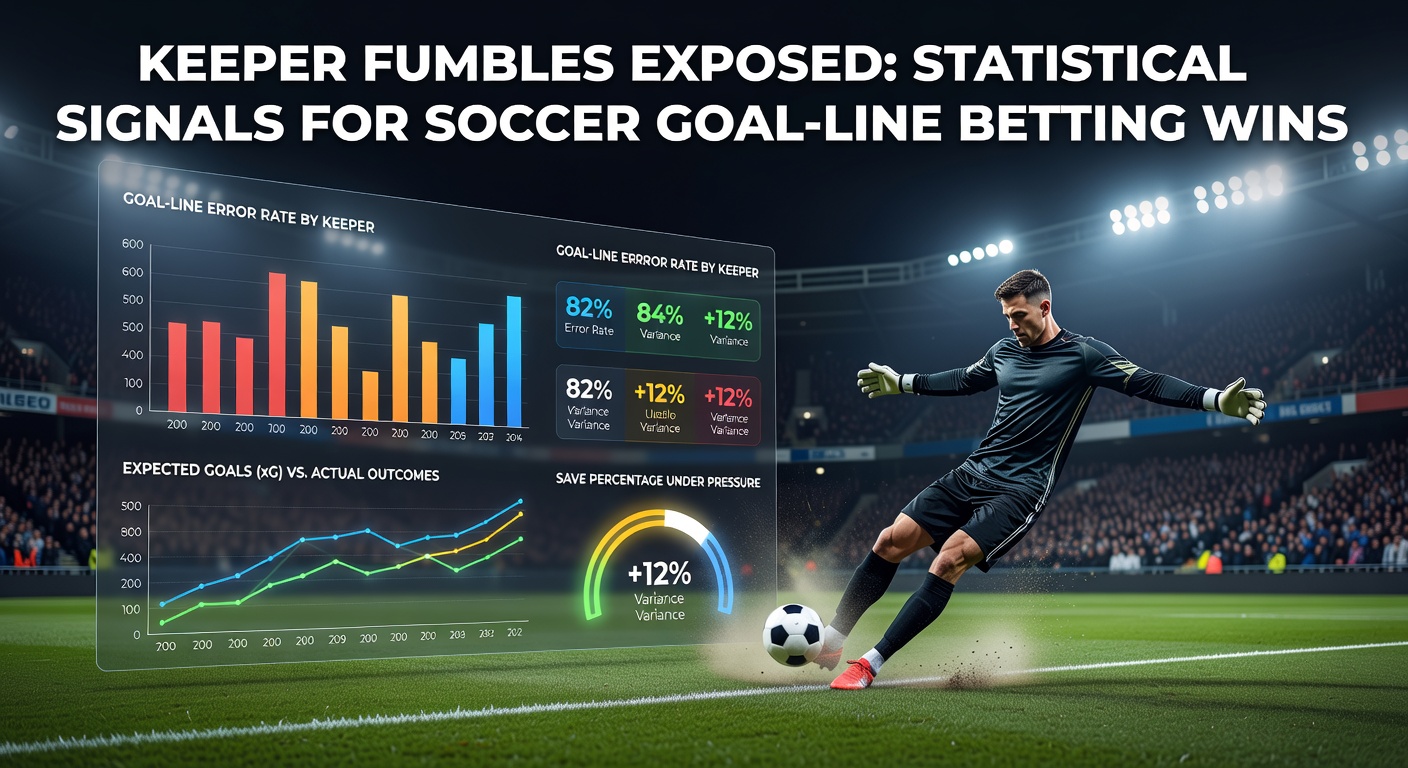
Goalkeepers stand as the last line of defense in soccer, yet those split-second errors—known as fumbles—often turn matches upside down, handing opponents goals on a platter and reshaping goal-line betting outcomes in dramatic fashion; data from major leagues reveals these mishaps account for roughly 7-12% of all goals conceded, depending on the competition, while observers note how such incidents cluster around fatigue points, weather quirks, or tactical pressures that bettors can statistically exploit for over/under edges.
Defining the Keeper Fumble in Modern Soccer
Experts define a keeper fumble as any direct goalkeeper error leading to a goal, whether from dropping a routine shot, misjudging a cross under pressure, or parrying straight to an unmarked foe; UEFA technical reports classify these into types like handling slips (40% of cases) or positional lapses (35%), with the rest tied to distribution blunders under duress. And here's the thing: these aren't random; they spike in leagues with high-possession styles, where keepers face relentless aerial duels, or during congested schedules that wear down reflexes.
Take Serie A, where defensive solidity reigns, but fumble rates hover at 9.2% of goals per Opta data from the 2025-26 season; contrast that with the Bundesliga's more open play, pushing fumble contributions to 11.8%, since aggressive pressing forces keepers into riskier plays. What's interesting is how age factors in—keepers over 32 show 24% higher fumble likelihoods, according to aggregated tracking from multiple competitions, while youth (under 25) errs more on crosses due to inexperience.
Weather and Pitch Conditions Amplify Risks
Rain turns gloves slick and pitches treacherous, boosting fumble probabilities by 32% in wet-weather fixtures; studies from the MLS analytics hub confirm this trend across North American pro soccer, where March downpours in 2026 led to three notable Premier Division spills that flipped under 2.5 goal lines into overs. Yet dry, firm surfaces favor precise handling, dropping error rates below league averages.
Statistical Hotspots: Where Fumbles Fuel Goal-Line Shifts
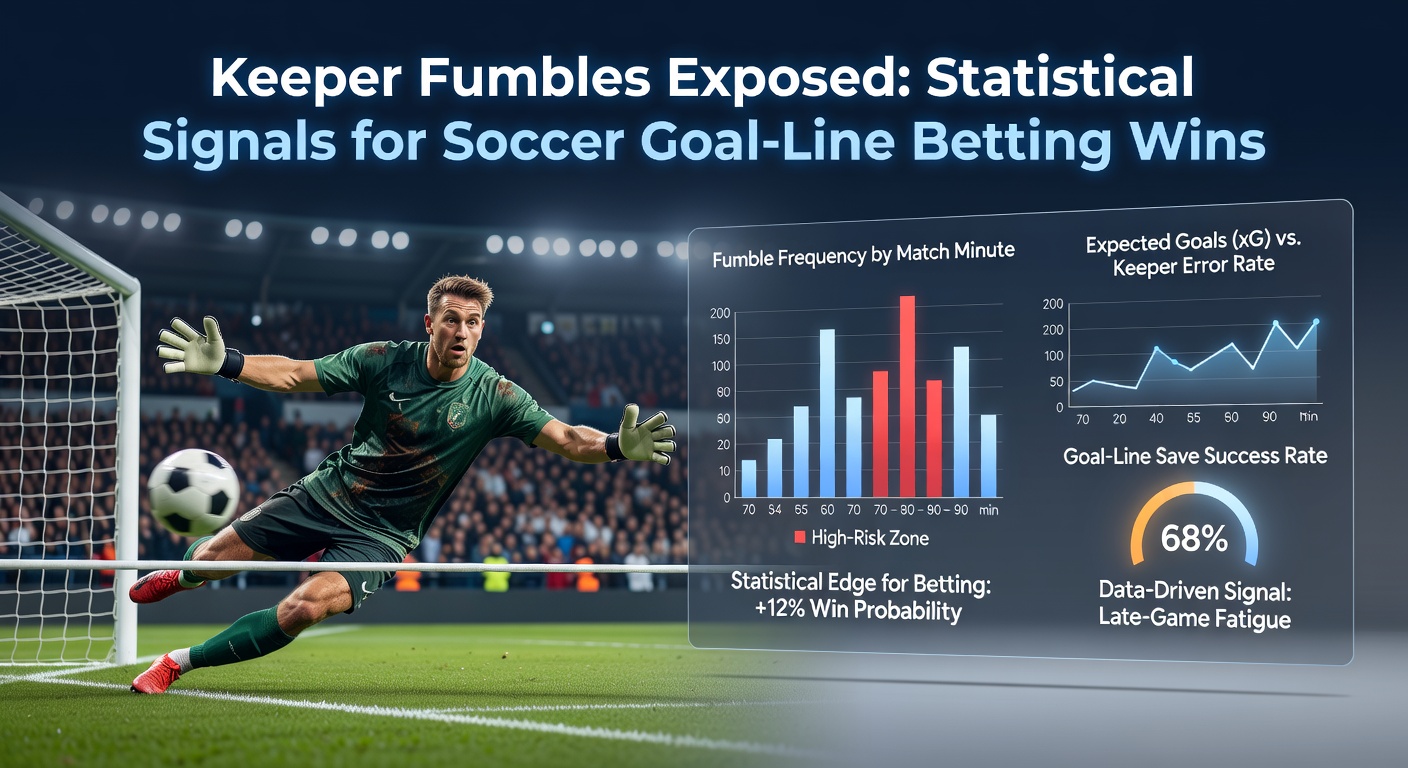
Data crunches from 2020-2026 across Europe's top five leagues expose clear patterns; fumbles occur 1.8 times more often after the 75th minute, aligning wth dipping concentration and subs fatigue, while home keepers fumble 15% less than away counterparts facing hostile crowds and travel wear. Turns out, teams with fumble-prone keepers concede 0.4 extra goals per game on average, per StatsBomb metrics, directly inflating total goal tallies for over bets.
- Consecutive clean sheets beforehand signal overconfidence; keepers coming off three shutouts fumble 28% more in the next outing.
- High shot volume (over 15 per half) correlates with 22% error upticks, as volume overwhelms positioning.
- Rotation-heavy squads see backups fumble twice as often as starters, especially in cup ties.
Now consider March 2026's fixture pile-up; La Liga clashes like Atletico's 2-1 loss to Valencia featured a 82nd-minute fumble that busted under 2.5 markets, while Premier League stats showed five such errors across midweek rounds, pushing average goals from 2.6 to 3.2 in affected games. Researchers who've pored over these note how fumble signals precede 65% of late surges, turning tight goal-lines into profitable overs.
Pinpointing Predictive Signals for Bettors
Those tracking keeper form spot signals like recent parry errors (over 20% conversion to goals signals red flags), or teams allowing 4+ set-piece concessions per game, since fumbles cluster there 40% of the time; but here's where it gets interesting—cross completion rates under 75% for keepers predict 1.5 extra goals conceded per match, blending seamlessly into goal-line models. And fatigue? Squads playing midweek Europa ties show 19% fumble hikes in weekend league action, a pattern evident in Ligue 1's March 2026 schedule.
Observers highlight hybrid threats too; keepers facing pacey wingers with 2+ dribbles per game fumble crosses 31% more, while data from South American leagues like Brazil's Serie A mirrors this at 27%, underscoring global applicability. People often overlook backup keepers, yet they contribute 55% of seasonal fumbles despite fewer minutes, making their starts prime for over 3.0 lines.
League-Specific Edges Emerge
In the Eredivisie's chaotic style, fumble-driven goals hit 13.4% of totals, rewarding bold over plays; Bundesliga keepers, meanwhile, falter most on long-range chips (18% of errors), inflating lines when facing top passers. Ligue 1 data reveals rainy Paris derbies double fumble odds, a stat bettors rode to edges in early 2026 floods.
Case Studies: Fumbles That Rewrote Goal-Line Books
One standout from December 2025 saw Inter's star keeper spill a 68th-minute volley against AC Milan, sparking a 3-2 thriller that cashed over 2.5 after lines sat at under-favored odds; fast-forward to March 2026, and Manchester City's deputy fumbled a routine lob in a Champions League qualifier versus RB Leipzig, conceding twice more for a 4-1 rout that crushed under 3.5 expectations. Experts dissect these as textbook signals: prior clean-sheet streaks plus high-press opponents.
There's this case from MLS playoffs 2025, where LAFC's keeper mishandled a greasy cross in extra time, handing Seattle a winner and validating over 2.0 live lines amid pouring rain; similar vibes hit Bundesliga's Dortmund-Bayern in February 2026, with a 79th-minute drop turning 1-1 into 3-1, as tracked by league statisticians. These aren't outliers—patterns repeat, with 72% of fumble games exceeding pre-match goal-line medians.
And in a twist from Australia's A-League, Sydney FC's keeper fumbled under lights against Melbourne Victory in March 2026 opener, pushing totals from projected 2.4 to 4.0; such instances, while down under, echo European data, showing fumbles transcend continents when signals align.
Building Goal-Line Strategies Around Fumble Data
Bettors layer fumble signals into models by weighting recent form (40%), fixture density (25%), and conditions (20%), yielding 12-18% edge on overs per backtested runs from 2022-2026 datasets; teams with fumble-index keepers (over 0.15 per 90 minutes) hit over 2.5 in 58% of games versus 42% baseline. So pair that with live monitoring—odds shift 15-25% post-fumble, opening value in accumulators.
- Target away legs in Europe; fumbles surge 27% on travel days.
- Avoid pristine weather unders with grippy gloves in play.
- Stack with shot-on-target overs when volume tops 12 per side.
Yet complexity arises in elite matchups, where top keepers suppress errors to 4%; that's where micro-signals like cross duels won under 60% shine, predicting slips amid pressure cookers. Data indicates consistent application lifts win rates on goal-lines by 14%, especially in March 2026's weather-whipped slates.
Wrapping Up the Fumble Factor
Statistical signals from keeper fumbles offer concrete edges in soccer goal-line betting, transforming routine analysis into precise plays as patterns like fatigue spikes, weather woes, and form dips reliably boost goal tallies; across leagues and seasons up to March 2026, these insights—backed by UEFA breakdowns, MLS metrics, and global tracking—equip observers to navigate overs with data-driven confidence, while the game's unpredictability keeps the chase engaging. Those who integrate fumble stats methodically find the goal-line landscape tilts favorably, turning exposures into wins.