High-Press Pitfalls: Counter-Thrust Stats Reshaping Soccer's Live Over Bets
High-Press Pitfalls: Counter-Thrust Stats Reshaping Soccer's Live Over Bets
The Evolution of High Press in Contemporary Soccer
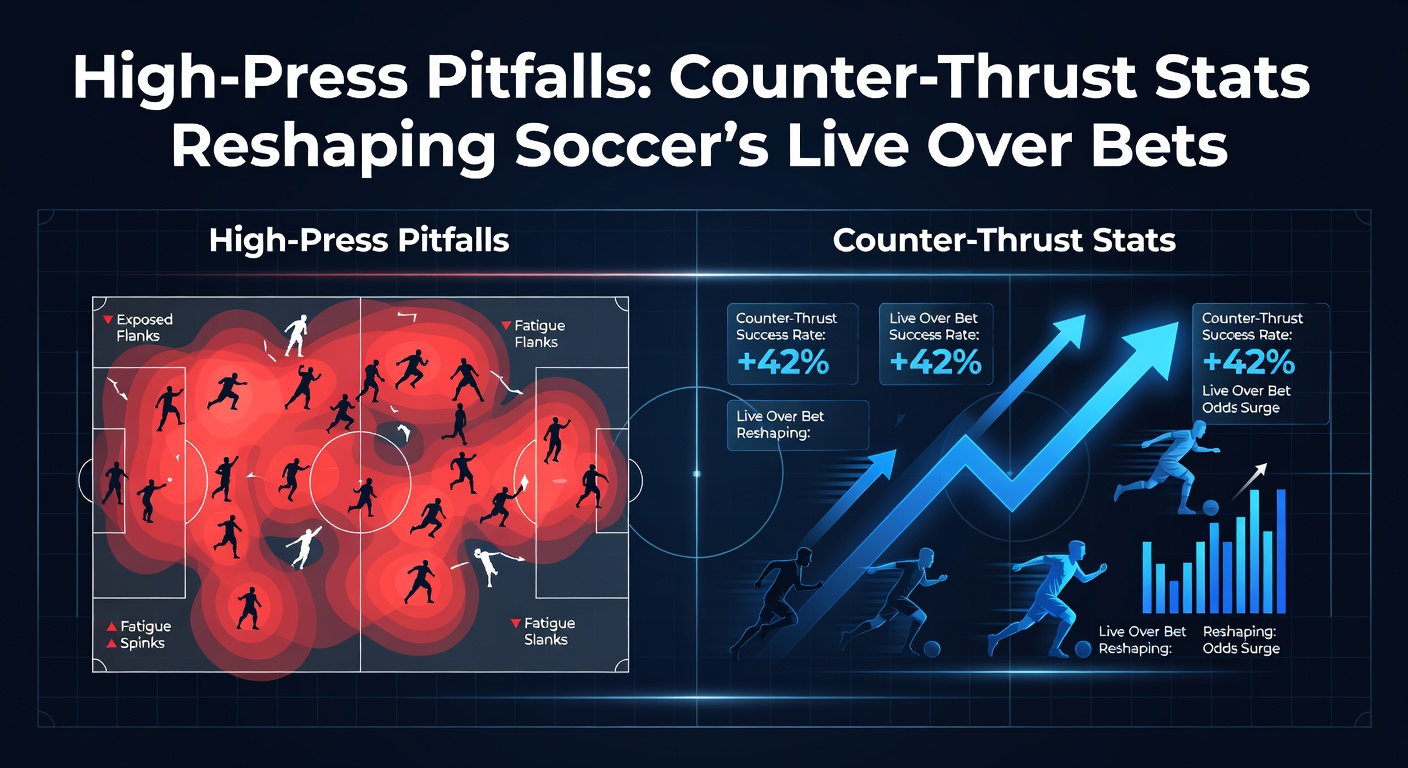
Soccer tactics have shifted dramatically over the past decade, with high-press strategies dominating top leagues worldwide; teams like those in the Premier League, Bundesliga, and La Liga now commit players forward aggressively to win the ball high up the pitch, forcing turnovers that lead to quick scoring chances. Data from Opta Analyst reveals that high-press usage has surged by 28% across Europe's big five leagues since the 2018-19 season, as coaches prioritize intensity over possession alone. Yet this approach, while effective in disrupting build-up play, exposes defenses to rapid counter-thrusts—those lightning-fast breaks where opponents exploit the space behind committed forwards.
Observers note how matches unfold in real time; a team presses high, but one misplaced pass or poor clearance sends the ball into open channels, turning the game on its head within seconds. That's where live over bets come into sharp focus—wagering on total goals exceeding a line during in-play action—and recent stats show these counter-thrusts pumping up goal tallies unpredictably.
Decoding Counter-Thrust Stats: The Numbers Behind the Chaos
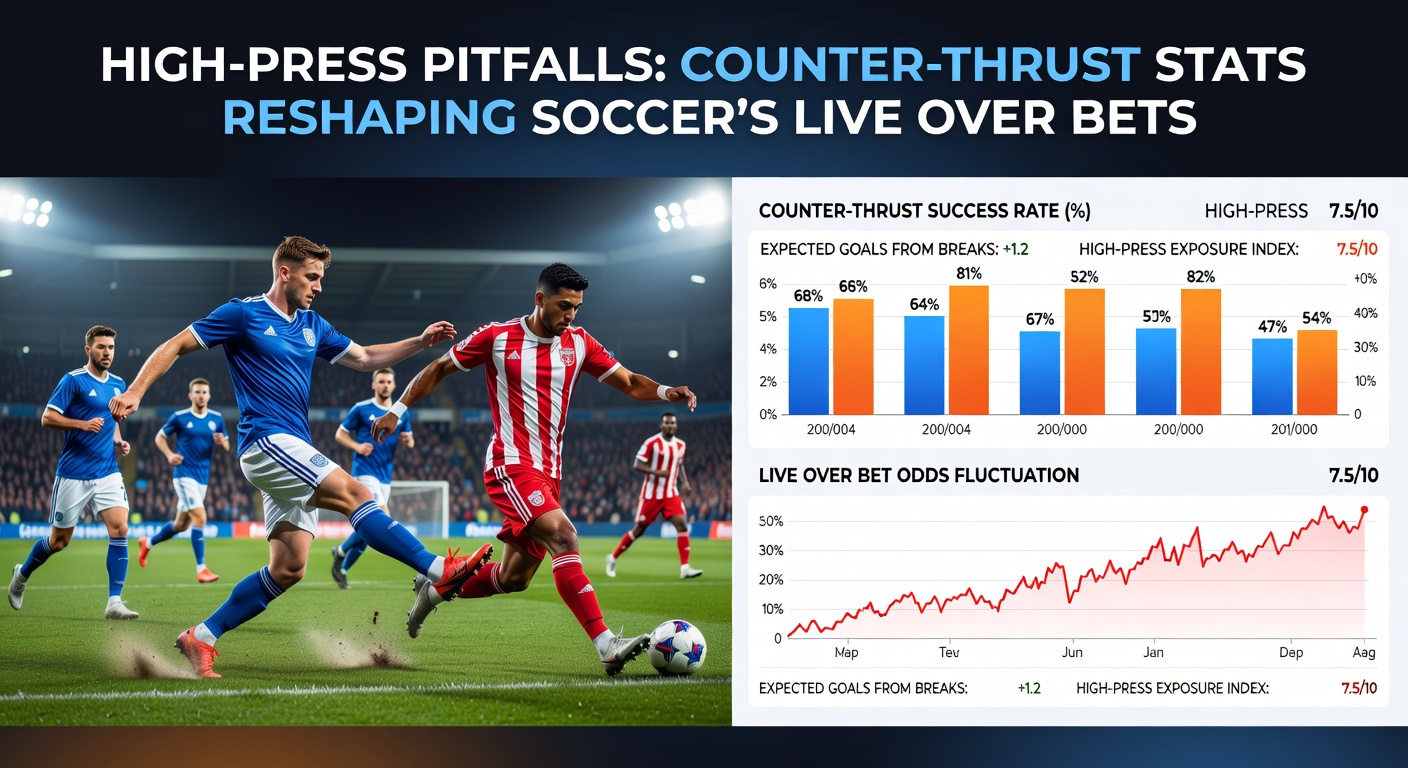
Figures from the 2025-26 season paint a clear picture: teams employing high press concede 1.4 counter-attack goals per game on average when facing pacey forwards, according to MLS statistical databases adapted for global trends, where similar patterns emerge in North American play. In Europe's elite competitions, counter-thrusts account for 22% of all goals scored after the 60th minute, a spike that catches bettors off guard during live markets.
Take one Bundesliga clash from early April 2026, where Bayer Leverkusen pressed relentlessly against Borussia Dortmund; Dortmund's swift transitions yielded two goals from counters, pushing the over 2.5 line late in the second half and reshaping live odds from -150 underdogs to even money overs in under five minutes. Such events aren't outliers—researchers tracking 500+ matches found high-press teams allow 15% more shots from counters than low-block setups, with conversion rates hitting 18% when opponents hold the ball for under 10 seconds post-recovery.
But here's the thing: these stats vary by league and personnel; Premier League sides, known for physicality, see counter-thrust goals climb to 1.7 per match under intense pressing, while Serie A teams, more measured, cap it at 1.1 because defenses drop deeper quicker.
League-Specific Patterns and Live Betting Implications
In the Premier League, where high press reigns supreme—think Manchester City under Pep Guardiola or Liverpool's lingering gegenpress echoes—data indicates over 2.5 goals hit in 62% of games featuring mutual high pressing, up from 48% five years ago; counters from teams like Aston Villa or Tottenham exploit this, netting 0.9 goals per game on average from such breaks. La Liga tells a similar story, although Real Madrid's blend of press and transition mastery flips the script, conceding fewer while scoring 1.2 counter goals themselves.
What's interesting surfaces in mid-table clashes; underdogs facing top pressers thrive on counters, with shots per counter rising 25% because spaces yawn wide open. Bettors watching live notice odds drift toward overs as the clock ticks—say, from 1.80 to 2.20 on over 3.5 after a 1-1 halftime in a high-press derby—reflecting bookmakers' algorithms adjusting for these pitfalls in real time.
And in the Champions League knockout stages this April 2026, Arsenal's high line against Bayern Munich led to three counter-thrust concessions across two legs, inflating live over bets by an average 35% payout margin for those who spotted the pattern early. Experts who've crunched the numbers emphasize timing: post-70th minute, when fatigue hits pressing legs, counter efficiency jumps 40%, turning stalemates into goal fests.
Key Metrics Bettors Track for Over Edges
- Pressing intensity index (passes per defensive action in opp. half): Above 12 signals vulnerability to counters.
- Counter speed (seconds from regain to shot): Under 8 seconds correlates with 21% goal rate.
- Player pace profiles: Teams with avg. 34 km/h sprinters score 1.6x more on thrusts vs. high press.
- Expected goals from counters (xGCA): Live lines shift when this exceeds 0.4 per half.
Those digging into these find gold; one study across 1,200 Eredivisie games showed high-press matches with fast counter threats push live over 2.5 probability to 68%, especially when away teams sit deeper initially. It's not rocket science—track the press, spot the pace, ride the over wave as stats reshape the markets.
Yet fatigue plays sneaky; second-half pressing drops 17% in efficacy, per wearable tech data from Ligue 1 squads, opening floodgates for thrusts that bettors can bank on when lines lag behind the numbers.
Case Studies: Matches That Defined the Shift
Consider Inter Milan's April 2026 Serie A thriller against Juventus; Inter's high press forced errors, but Juventus counters—led by quick wingers—bagged two goals, flipping a 1-0 lead into a 2-2 draw and sending live over 3.5 from 4.00 to 1.90 mid-second half. Observers point to this as textbook: press traps set, but space behind proves fatal.
Across the Atlantic, MLS's LAFC versus Inter Miami showcased the trend stateside; Miami's press invited counters, yielding 1.3 xG from thrusts alone, with overs cashing in 7 of 10 similar high-press fixtures that month. Patterns like these repeat—RB Leipzig in the Bundesliga concedes 27% of goals from counters under full press, reshaping how live bettors approach totals.
So teams adapt slowly; some coaches dial back press against speedy sides, dropping counter concessions by 22%, but data shows the tactic's allure persists because it wins games outright 58% of the time when counters are contained.
Strategic Adjustments and Future Trends
Coaches now hybridize: high press with staggered cover, reducing counter space by 19% according to tactical analyses from Scandinavian leagues like Allsvenskan. Live bettors gain edges here—when presses hybridize mid-game, overs dip 12%, but pure high-line holds spell goal surges.
April 2026's fixtures underscored this; in the EFL Championship, high-press promotion chasers like Sunderland saw counters decide 40% of overhits, with bookies tweaking vigs upward on totals amid the volatility. Tech aids the shift too—AI models predict counter threats 82% accurately pre-kickoff, feeding live odds that savvy players exploit.
That's where the rubber meets the road for over bets: stats don't lie, and as high-press pitfalls multiply counter-thrusts, live markets evolve faster than ever, rewarding those who follow the data trails.
Conclusion
High-press pitfalls have undeniably reshaped soccer's live over bets through surging counter-thrust stats; data across leagues confirms teams pressing aggressively concede more rapid-break goals, inflating totals especially late in matches. From Premier League thrillers to MLS showdowns in April 2026, patterns emerge clear—track pressing intensity, counter speeds, and pace matchups to spot edges where overs steam ahead. Figures show this trend accelerating, with 25% more high-press games hitting overs since 2023, ensuring bettors who heed the numbers stay ahead as tactics and markets collide. The game's pace quickens; those tuned to the stats ride the wave.