Government Consultation Targets Unlicensed Gambling Deals in British Sports
 The UK government has opened an eight-week public consultation on proposals that would prohibit unlicensed gambling operators from sponsoring British sports teams, and the measures would extend to logos appearing on kits, stadiums, plus pitch-side hoardings. Under the plans, any operator lacking a licence from the Gambling Commission would face a criminal offence for entering such agreements, while the policy seeks to limit exposure to illegal gambling sites that often promote VPN access through sports advertising and to curb associated money-laundering risks. The consultation document outlines a potential implementation window as early as August 2027, with a firm deadline no later than 2028, and this timeline allows stakeholders across football, rugby, cricket, and other codes to submit responses before final rules take shape. Officials have framed the step as a direct response to concerns that unlicensed operators continue to reach UK audiences through high-profile sports partnerships even when they lack domestic regulatory oversight. This development stands apart from the Premier League's separate voluntary agreement to remove front-of-shirt gambling sponsors starting in the 2026-27 season, because the government consultation focuses specifically on unlicensed entities rather than licensed ones that already comply with commission standards. Everton provides one concrete example of an affected club through its sleeve sponsorship with Stake.com, yet multiple other teams across divisions maintain similar arrangements that could fall under the new restrictions if the operators involved hold no UK licence.
Scope of the Proposed Restrictions
The draft rules would cover a wide range of sponsorship formats beyond shirt logos, encompassing stadium naming rights, training-ground branding, digital perimeter advertising, and any broadcast-visible placements that currently allow unlicensed operators to maintain visibility during live matches. Those who've examined comparable past measures note that enforcement would shift responsibility onto clubs and governing bodies to verify licence status before contracts are signed, creating an additional layer of due-diligence checks at every renewal point.
Data from the Gambling Commission already shows that licensed operators must meet strict advertising codes, whereas unlicensed sites often bypass these safeguards entirely and promote access routes such as VPNs that can circumvent UK blocking efforts. The consultation therefore positions the sponsorship ban as one tool among several aimed at reducing the pathways through which vulnerable individuals encounter unregulated platforms during routine sports viewing.
Timeline and Legislative Path
Consultation responses will feed into policy refinement over the coming months, after which ministers could introduce secondary legislation to embed the criminal offence within existing gambling statutes. Observers tracking similar regulatory processes point out that the 2027-2028 window gives clubs sufficient lead time to renegotiate existing deals or pivot to alternative commercial partners that hold proper licences, while still allowing the government to act before the next major broadcast cycle begins.
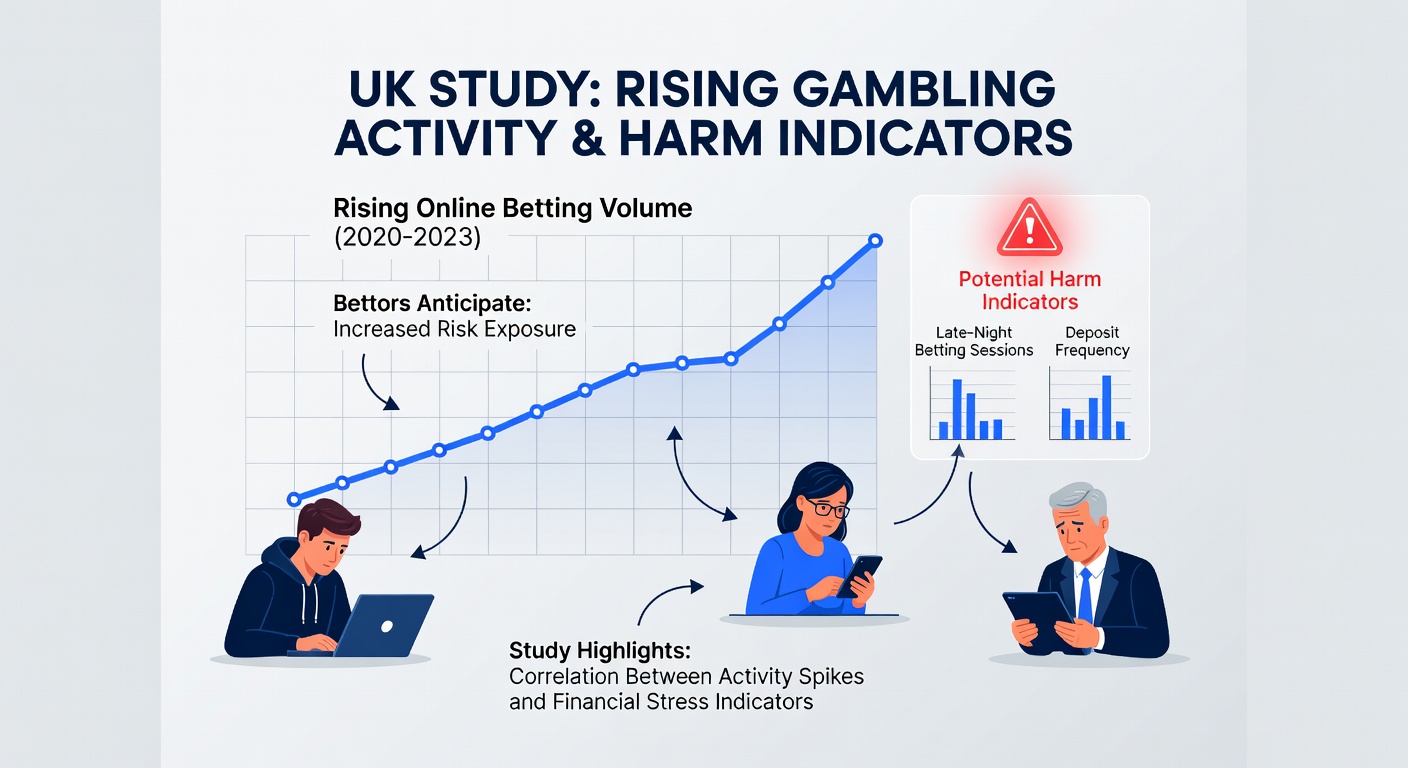 The consultation on banning unlicensed gambling sponsorship remains open for eight weeks, during which time sports bodies, clubs, operators, and public-health groups are expected to submit detailed evidence on both the potential benefits and any unintended consequences for revenue streams that currently support grassroots and elite programmes alike.
Impact on Clubs and Commercial Partners
Clubs that currently feature sleeve or training-kit deals with offshore operators will need to audit every agreement against the Gambling Commission's public register once the rules crystallise. Those who've studied the Premier League's earlier voluntary ban observe that replacement sponsors from sectors such as fintech, travel, and consumer goods have already begun approaching clubs, suggesting a ready market exists for compliant alternatives even if transition costs arise in the short term.
Stadium and hoarding contracts present a different challenge because many run for multi-year periods and include complex exit clauses, yet the consultation explicitly signals that new criminal liability would rest with the operator rather than the club itself, provided the club can demonstrate it conducted appropriate licence verification at the time of signing. This distinction matters for clubs that maintain long-standing venue partnerships and need clarity on whether historic deals would be grandfathered or required to terminate early.
Enforcement and Compliance Considerations
Once enacted, the offence would fall under the Gambling Act framework, enabling the Commission and police to pursue prosecutions against unlicensed operators that continue to advertise through sports channels. Researchers who have analysed enforcement patterns in other jurisdictions note that visible sports sponsorship often serves as the primary marketing channel for offshore sites, so removing this route could reduce overall visibility of illegal offers even when VPN promotion persists on other platforms.
Clubs and leagues would likely establish shared compliance resources to maintain up-to-date licence lists, while broadcasters may face additional guidance on what constitutes acceptable background branding during live coverage. The eight-week consultation period therefore serves as the immediate next step for gathering operational detail on how these verification processes would function in practice across different sports and competition levels.
Conclusion
The consultation represents a targeted regulatory move that separates unlicensed operators from the broader licensed market while leaving the Premier League's voluntary front-of-shirt restrictions untouched. With responses due within the eight-week window and implementation targeted between 2027 and 2028, clubs, sponsors, and governing bodies now hold a defined period in which to assess current agreements and prepare for a landscape where only commission-licensed entities can maintain sports partnerships. The process will determine the precise wording of the criminal offence and any supporting guidance on verification, yet the core direction remains consistent with prior efforts to limit exposure to unregulated gambling through high-visibility sports channels.