Examining Travel Fatigue Impacts on European Away Match Statistics
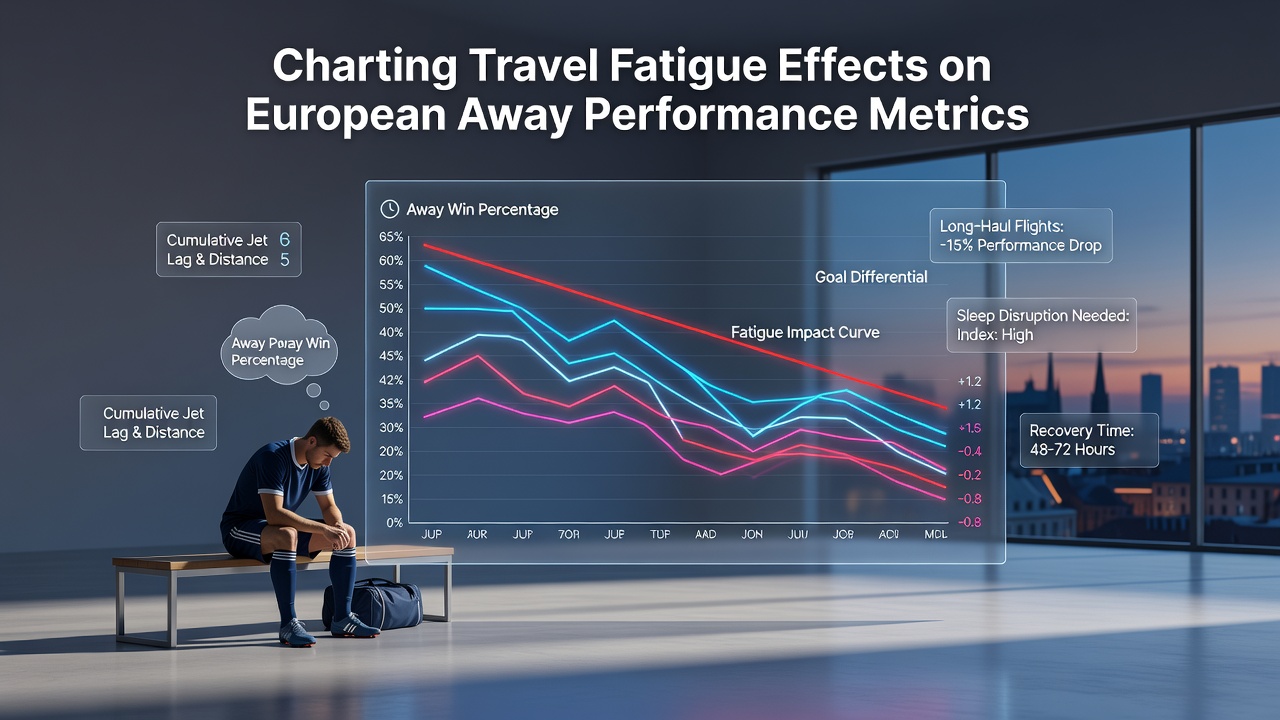
European football schedules place clubs on extensive journeys across multiple time zones and terrains, which creates measurable effects on away game results. Researchers tracking performance data note that teams covering distances over 1,000 kilometers often record lower goal tallies and reduced possession percentages compared to shorter trips within domestic borders. Observers note these patterns emerge consistently in both league and continental competitions where fixture lists force rapid turnarounds between matches.
Studies compiled by sports science groups across the continent reveal that sleep disruption and muscle recovery delays contribute directly to these statistical shifts. Data collected from the 2024-2025 season shows away sides traveling by air for more than three hours posted win rates approximately 8 percent below their season averages. Those shorter road trips by bus or train maintained closer alignment with home performance benchmarks.
Key Metrics Influenced by Distance
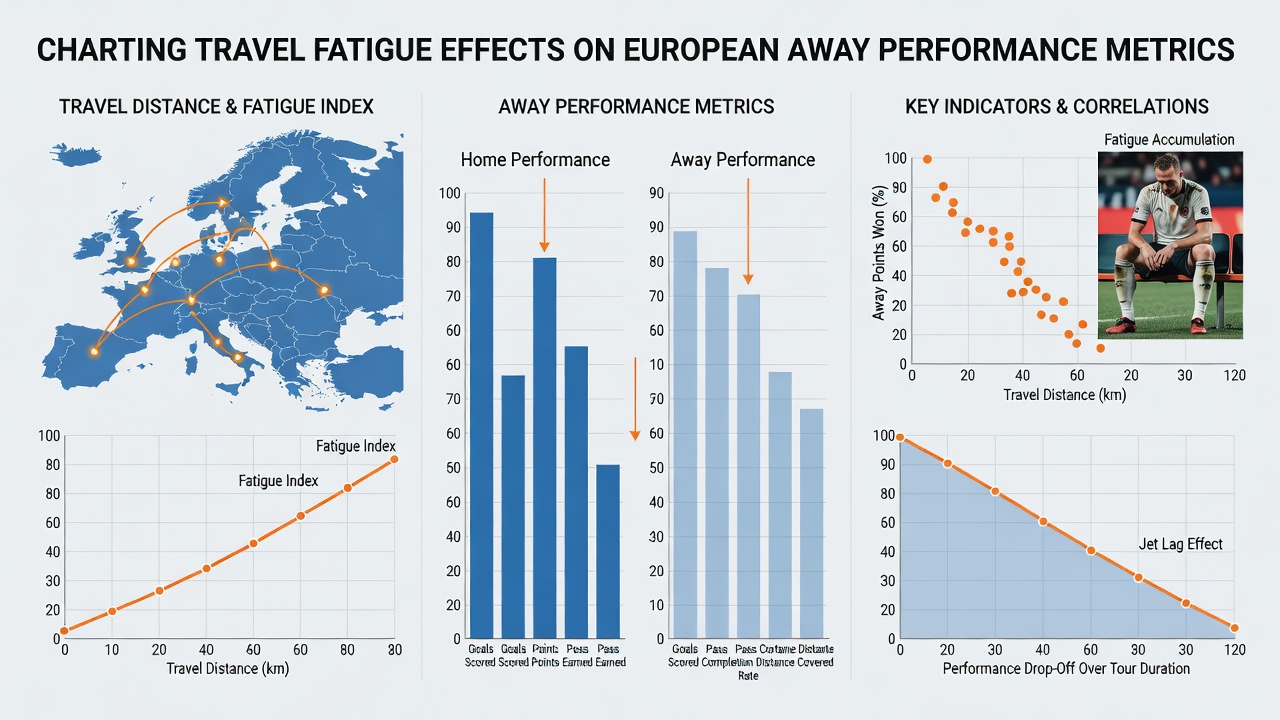
Performance indicators such as expected goals, pass completion rates, and high-intensity running distance all register declines when travel exceeds certain thresholds. Figures from Bundesliga and Serie A tracking systems indicate that players log 12 to 15 percent fewer sprints in away fixtures following overnight flights. Analysts examining these datasets point to accumulated fatigue as a primary driver rather than tactical adjustments alone.
Goal differentials narrow in favor of home teams when visiting sides arrive less than 48 hours before kickoff. Records maintained by European competition organizers document that clubs facing cross-border trips under 500 kilometers sustain stronger defensive structures and maintain higher clean sheet frequencies. Longer journeys correlate with increased concession rates in the final 30 minutes of matches.
Regional Variations Across Leagues
Clubs competing in northern and eastern European divisions encounter distinct travel demands compared to those based in western clusters. Teams from Scandinavia and the Baltic states routinely cover greater cumulative distances during group stages of continental tournaments. Performance logs indicate these squads experience sharper drops in second-half output when matches follow midweek flights spanning multiple countries.
Southern European sides benefit from denser rail networks on certain routes yet still face challenges with island-based opponents or fixtures in remote mountain venues. Data compiled through league-wide GPS monitoring systems highlights that altitude changes combined with travel compound recovery timelines and alter substitution patterns observed in later stages of games.
Seasonal Patterns and Fixture Congestion
Winter months amplify travel fatigue effects because adverse weather extends journey durations and disrupts sleep cycles further. Statistics gathered during December through February periods show elevated rates of late-match errors among teams returning from distant away assignments. Summer schedules, by contrast, allow marginally better recovery windows although pre-season tours introduce separate fatigue variables ahead of competitive campaigns.
June 2026 stands out on calendars because international qualifiers and club pre-season preparations overlap in several regions, forcing additional travel for players balancing national team duties with club commitments. Monitoring groups anticipate these compressed timelines will produce further deviations in early-season away metrics once domestic leagues resume.
Recovery Protocols Observed in Practice
Coaching staffs increasingly integrate sleep tracking devices and individualized nutrition plans to offset documented performance dips. Clubs adopting structured recovery windows between arrival and matchday report steadier away results in aggregate data. Training load adjustments based on flight duration appear in technical reports from multiple top divisions as a direct response to fatigue measurements.
Nutrition timing and light mobility sessions scheduled immediately post-travel receive particular attention in protocols developed by performance departments. Those measures show correlation with maintained sprint volumes during the opening 60 minutes of away contests according to league-wide wearable technology outputs.
Conclusion
Travel fatigue registers clear statistical footprints across European away fixtures through reduced physical output, altered goal patterns, and shifting win probabilities. Comprehensive datasets from multiple leagues demonstrate that distance, recovery time, and seasonal timing interact to shape these outcomes. Continued monitoring of performance indicators alongside evolving travel logistics will refine understanding of how clubs manage these variables in future campaigns.