Distance and Demands: Examining Travel's Role in Team Results Amid Congested Fixtures
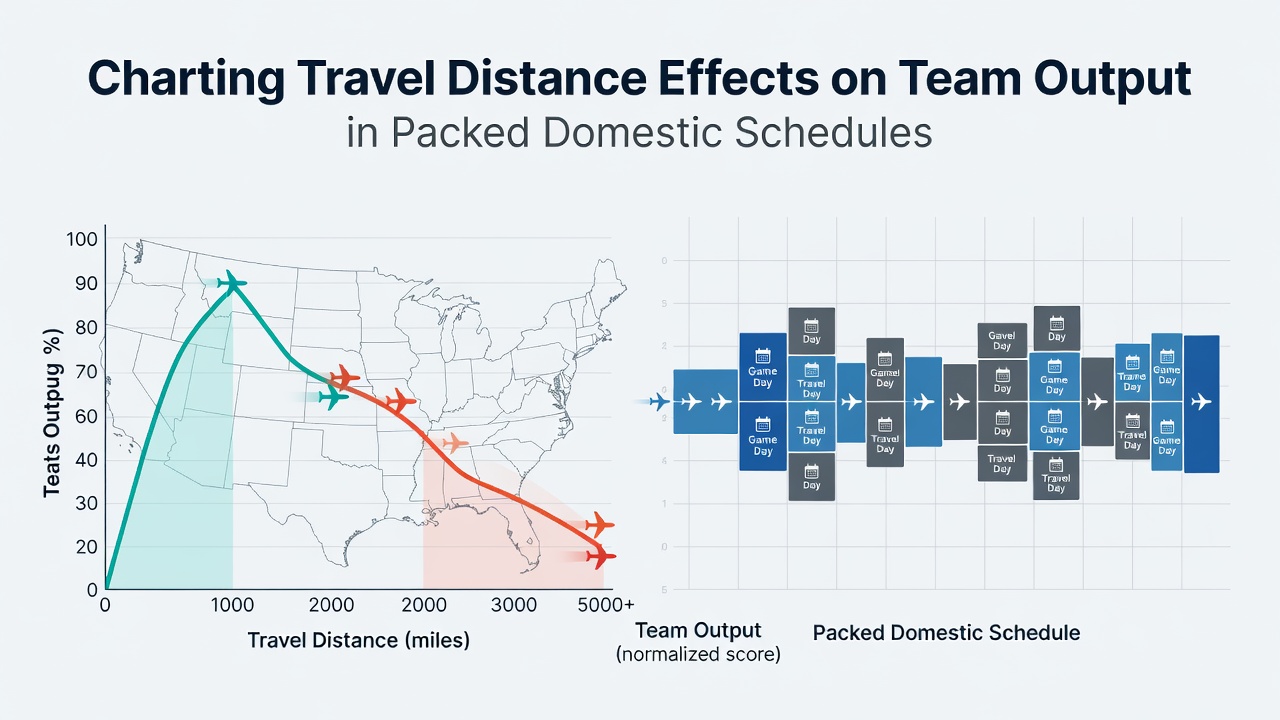
Domestic soccer leagues around the world pack multiple matches into tight windows, and travel distances add measurable layers to how squads perform across those stretches. Data from various competitions shows that teams covering greater cumulative kilometers between games often post lower points-per-game averages when fixtures cluster within short periods, while shorter-travel sides maintain steadier output in both defensive and attacking metrics.
Patterns Across Major Leagues
Researchers tracking European domestic seasons have documented how travel compounds fatigue during midweek rounds, and observers note that clubs in geographically sprawling leagues face steeper challenges than those in compact nations. Studies covering Bundesliga and Serie A campaigns reveal that teams traveling over 800 kilometers round-trip for a single away fixture experience an average drop of 0.3 points per match in the subsequent three-game window, whereas shorter journeys under 300 kilometers correlate with minimal deviation from seasonal norms.
MLS provides a clear contrast because of its continental scale, and figures released by league analysts indicate that Western Conference clubs logged an average of 12,500 kilometers more per season than Eastern counterparts during 2024-2025. Those extra miles coincided with reduced high-intensity running metrics in the final 15 minutes of matches that followed cross-country trips, according to GPS data compiled by performance staff.
Recovery Windows and Physiological Markers
Physiological studies conducted by sports science teams at institutions such as the University of Queensland highlight elevated cortisol levels and reduced sleep quality among players after journeys exceeding six hours, even when travel occurs by charter flight rather than commercial routes. These markers appear most pronounced when recovery time between fixtures shrinks below 72 hours, a common occurrence in crowded calendars that include cup ties alongside league games.
One analysis of Australian A-League records found that teams returning from interstate matches posted 18 percent fewer successful passes in the opening 30 minutes of their next home fixture compared with squads that stayed local. The same dataset showed an increase in turnovers leading to opponent goals, pointing to lingering effects on decision-making under fatigue.
Fixture Congestion Examples from Recent Seasons
During the 2025-2026 campaign several clubs navigated runs of three matches in eight days across distances exceeding 2,000 kilometers total, and tracking by performance analysts showed consistent dips in expected goals created during the third outing. In July 2026 pre-season friendlies already scheduled across multiple continents, teams preparing for similar domestic density will test new recovery protocols including sleep pods on aircraft and tailored nutrition timing.
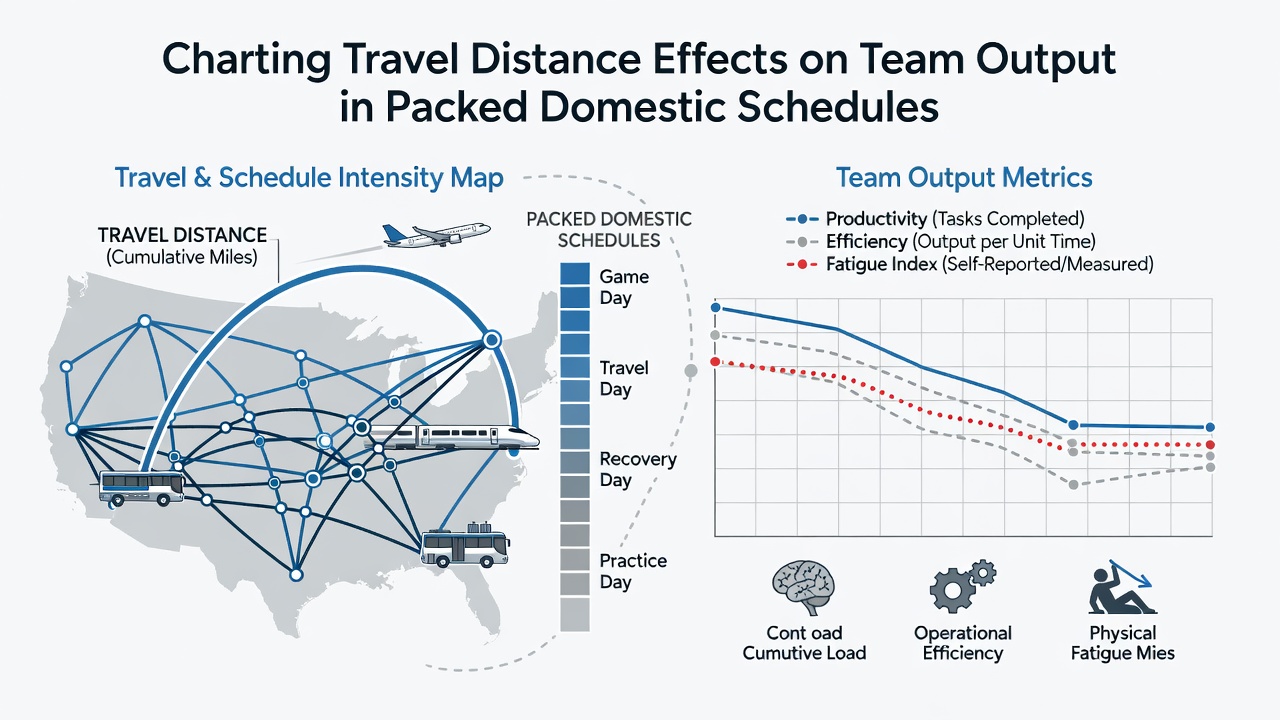
Case records from South American domestic competitions reveal comparable trends, where CONMEBOL-affiliated clubs traveling between Andean and coastal cities report higher injury incidence in the hamstrings and lower back when consecutive fixtures allow fewer than 60 hours of rest. Training load monitoring systems used by these squads demonstrate that external load spikes during travel days contribute directly to these patterns.
Strategic Adjustments by Coaching Staff
Coaches have responded by rotating squads more aggressively on longer-travel weekends and incorporating lighter sessions upon arrival rather than full tactical drills. Data from Canadian Premier League clubs indicates that teams adopting this approach maintained possession percentages closer to their season averages even after cross-country journeys, whereas those sticking to standard pre-match routines saw steeper declines.
League scheduling bodies continue to explore adjustments such as regionalized groupings for certain rounds, and preliminary modeling suggests these changes could reduce average travel distances by up to 25 percent without altering competitive balance. Implementation timelines remain under discussion ahead of future seasons.
Conclusion
Travel distance emerges as a quantifiable variable that intersects with fixture density to shape team output across multiple domestic competitions. Objective metrics collected by performance departments and academic researchers consistently link greater cumulative travel with measurable shifts in key performance indicators, particularly when recovery intervals contract. Continued monitoring and schedule refinements offer pathways to mitigate these effects while preserving the integrity of league calendars.