UK Gambling Commission Rolls Out Staged Financial Risk Assessments for Online Gambling

The UK Gambling Commission has confirmed it will roll out Financial Risk Assessments through a streamlined and staged process designed to identify high-spending online customers who may face financial difficulties, and the approach draws directly from extensive pilot work already completed across the sector. This development aligns with the commission's ongoing responsibilities under the Gambling Act 2005, where operators must balance consumer protection measures while avoiding unnecessary barriers for the majority of players who do not exhibit elevated risk indicators.
According to the official announcement the assessments will target only those accounts showing significant spend levels, and operators will apply checks in phases that allow for gradual integration into existing compliance frameworks rather than imposing immediate blanket requirements on all accounts.
Details of the Staged Implementation
The commission outlined that the first stage focuses on the highest-spending segment of online players, where data from pilots indicated the greatest potential for identifying financial distress signals without disrupting routine gameplay for lower-volume users, and subsequent stages will expand coverage based on operational feedback and refined data thresholds. Operators receive clear guidance on data sources they may consult, including credit reference agencies and open banking tools, yet the process emphasizes proportionality so that most customers encounter no additional steps during normal activity.
Those who've reviewed the pilot outcomes note that early testing allowed operators to test different spend thresholds and verification methods, which helped establish practical criteria for when an assessment becomes necessary, and the commission incorporated these learnings to create a framework that reduces friction for the vast majority of players while still addressing the minority who show signs of financial strain.
Connection to the Gambling Act 2005
The Gambling Act 2005 places specific duties on licensed operators to prevent gambling from causing harm, and the new Financial Risk Assessments represent one mechanism through which the commission expects operators to fulfill those duties in the remote sector. The staged rollout reflects the commission's view that a measured introduction allows businesses time to adjust systems and staff training without compromising the core aim of protecting vulnerable individuals.
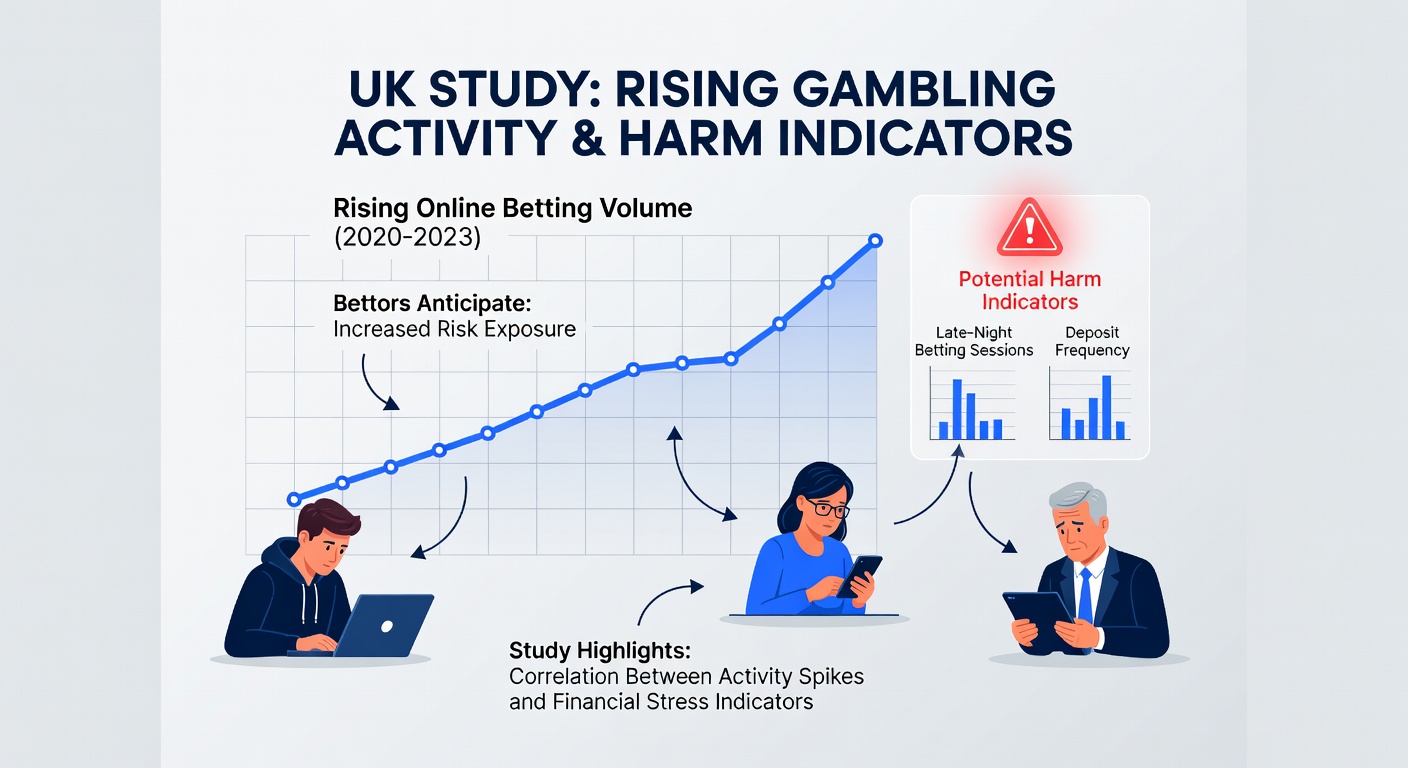
Data collected during the pilots demonstrated that targeted checks could flag accounts where spending patterns suggested potential difficulties, yet the same data also showed that broad application of checks across all accounts created unnecessary delays for players with stable finances. The commission therefore adopted the phased model to retain the protective benefits while limiting disruption.
Operational Requirements for Licensed Operators
Operators must now prepare internal procedures that activate Financial Risk Assessments once a player's spending crosses defined thresholds during the initial stage, and they will report outcomes to the commission as part of routine regulatory returns. The guidance specifies acceptable data points operators may use and stresses that assessments should remain proportionate to the observed spend level rather than serving as a blanket review of every customer.
Those responsible for compliance at remote operators have received detailed instructions on how to integrate the checks into existing customer monitoring systems, and the commission has indicated it will monitor early implementation results before deciding whether to adjust thresholds or expand the scope in later stages. This measured expansion gives operators the opportunity to refine their processes based on real-world application rather than theoretical models alone.
Impact on Player Experience
Most online players will notice no change in their day-to-day interaction with gambling sites because the assessments apply only to accounts reaching higher spend bands, and the commission has made clear that the majority of customers fall outside these bands. When an assessment does trigger, operators must communicate the reason clearly and offer support options where financial difficulties appear, yet routine deposits and gameplay continue uninterrupted for the bulk of users.
The approach also incorporates safeguards against over-application, so operators cannot use the assessments as a general slowdown tactic, and the commission retains oversight to ensure the measures stay focused on their intended protective purpose. Players who do undergo an assessment receive information about the process and any next steps, maintaining transparency throughout.
Conclusion
The UK Gambling Commission's decision to introduce Financial Risk Assessments through a staged approach marks a targeted update to consumer protection practices in teh online sector, and the framework builds directly on pilot evidence to balance regulatory goals with operational practicality. Licensed operators now face a defined timeline for integration, while players outside the high-spend categories experience minimal added steps. The commission continues to monitor progress as the first stage takes effect, with further phases dependent on results from this initial period.