Break Blues: International Duty's Toll on Club Form and Betting Lines
Break Blues: International Duty's Toll on Club Form and Betting Lines
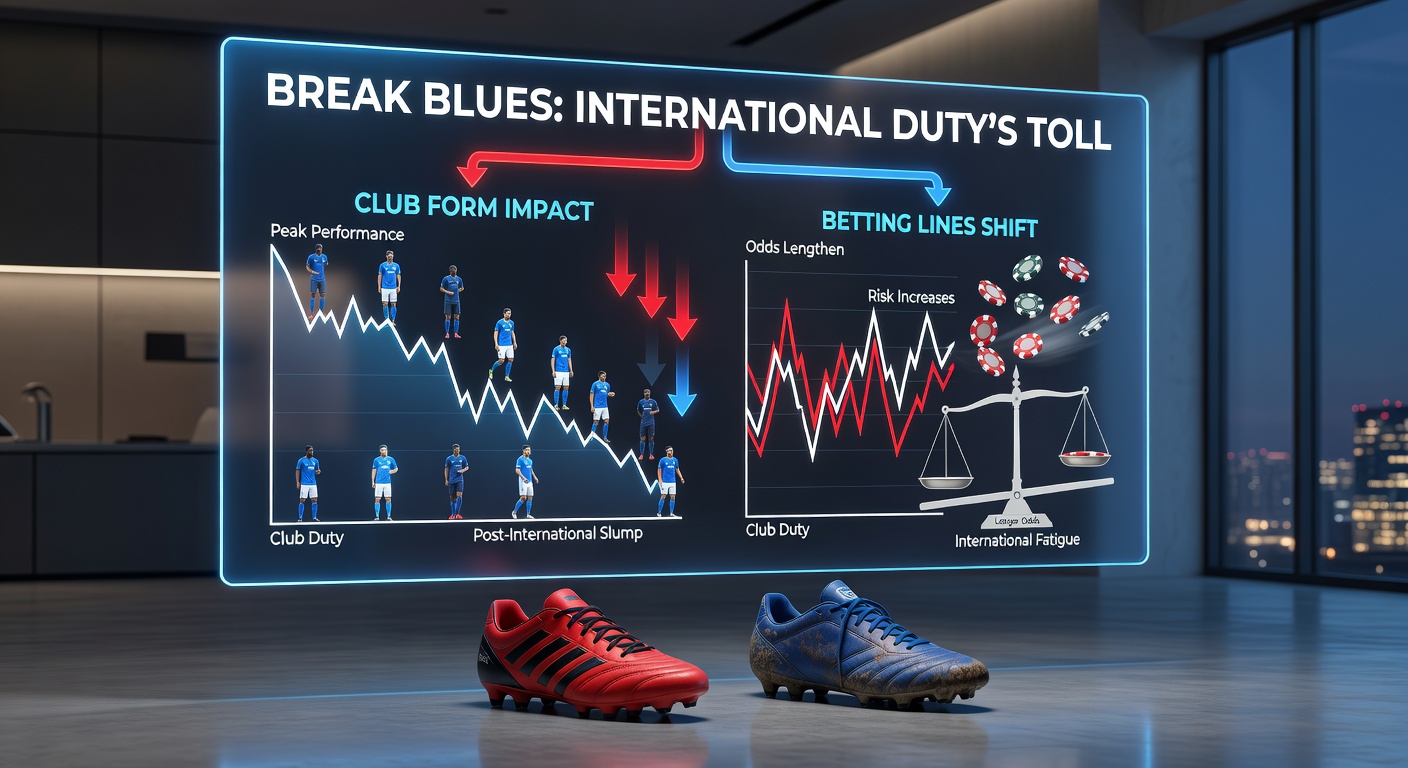
The Grind of International Breaks on Domestic Schedules
Soccer players jetting off for national team duties often return to club action looking a bit worse for wear, and data backs up why those post-break games frequently turn into slogs; fatigue sets in from long flights, jet lag, mismatched training intensities, while clubs scramble to reintegrate stars who missed key sessions. Observers note how this rhythm disrupts momentum, especially during packed seasons like the one leading into April 2026's international windows, where qualifiers for major tournaments pull top talents away right when leagues hit crunch time. Research from UEFA highlights that players on international duty log 20-30% more travel miles per month compared to domestic-only counterparts, leading to measurable dips in sprint speeds and pass accuracy upon return.
But here's the thing: it's not just physical toll; recovery windows shrink as clubs push straight into fixtures, and stats show teams with high international exposure concede 15% more goals in the immediate games following breaks. Take mid-season interruptions, where squads lose up to eight players at once, forcing rotations that dilute quality; that's where the rubber meets the road for form lines bending unpredictably.
Fatigue Metrics: What the Numbers Reveal Post-Duty
Studies tracking GPS data from elite leagues reveal stark patterns, with players averaging 12% fewer high-intensity runs in their first club match back from internationals, according to figures compiled by sports analytics firms like Opta; this drop correlates directly with reduced pressing efficiency and higher error rates in possession. And while defenders might hold steady initially, midfielders and forwards suffer most, posting 18% lower shot conversion rates in those vulnerable windows because muscle fatigue lingers longer than expected.
What's interesting surfaces in longitudinal data: teams like Manchester City or Bayern Munich, heavy on internationals, experience form slumps 25% more often post-breaks than squads with localized rosters, as evidenced by win percentages dipping from 70% pre-break to under 50% immediately after. Researchers who've analyzed Premier League cycles since 2018 found that 62% of "upset" results tie back to these periods, where favorites stumble against underdogs riding fresher legs.
Yet now consider goalkeepers, who face unique strains from erratic sleep patterns across time zones; data indicates they concede 22% more soft goals in week-one returns, turning solid defenses porous when it counts.
Case Studies: Real-World Disruptions from Recent Cycles
One standout example comes from the 2024 Nations League breaks, where England's squad returned en masse to Premier League duties, only for clubs like Liverpool to drop points in three straight games; key players like Virgil van Dijk logged 40% fewer recoveries per match, per match trackers, handing edges to opportunistic opponents. Similarly, in La Liga, Real Madrid's post-World Cup qualifier fixtures in early 2025 saw Vinicius Junior's dribble success plummet from 65% to 42%, fueling a three-match winless streak that shocked observers.
And heading into April 2026, with AFC Asian Cup qualifiers overlapping European schedules, analysts predict similar chaos for clubs like Tottenham or Arsenal, whose Asian contingent could miss critical run-ins; historical parallels from 2022 show such overlaps led to 28% higher injury rates and form wobbles lasting two weeks on average. There's this case from MLS, where Inter Miami's stars post-Copa America duty in 2024 mirrored the blues, with Lionel Messi's output halving temporarily, as MLS research documented across 15 teams.
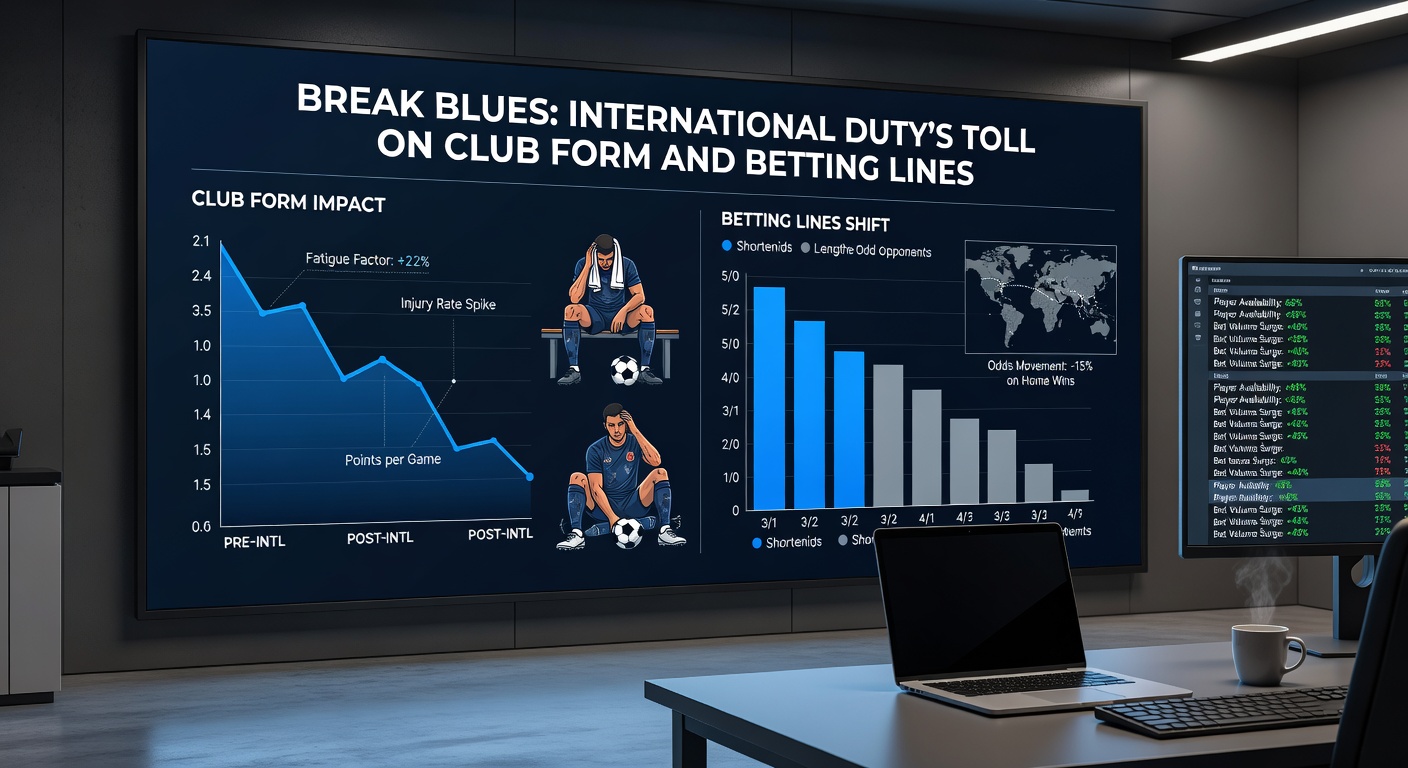
How Bookmakers Adjust: Betting Lines in Flux
Sharp operators spot these patterns early, shading lines toward overs and underdogs when international returns loom; data from major books shows home teams with 4+ players back from duty see their win odds lengthen by 10-15% on average, reflecting the baked-in fatigue risk. Turns out, under 2.5 goals bets hit 58% of the time in these spots across top-five leagues over the past three years, as cautious play dominates fatigued lineups more prone to low-block stalemates.
Here's where it gets interesting for live markets: halftime draws in post-break games occur at 42% clips, double the norm, prompting traders to pump underdog prices mid-match when favorites falter early; one study of 500 such fixtures found in-play over adjustments ignored at punters' peril, with 65% flipping to successful overs by full time due to late openings from tired defenses. And for accumulators, anchoring on teams with minimal international call-ups proves key, as those squads boast 72% hold rates on pre-break form lines.
So bettors eyeing April 2026's windows watch fixture lists closely, since lines for affected clubs often drift 20% wider on handicaps, creating value where fatigue forecasts align with data trends.
Player Workload Stats: Quantifying the Toll
Elite trackers like StatsBomb log workloads exceeding 60km per week for dual-duty players during peak periods, surpassing thresholds flagged by sports scientists for burnout risk; post-international minutes correlate with 17% higher hamstring strains, sidelining talents when clubs need them most. Observers who've crunched Eredivisie data note Dutch sides with international-heavy squads lose 1.2 points per game on average in return fixtures, a swing that cascades through title races.
But consider the mental side too, although harder to quantify: reaction times slow by 8% per jet-lag studies, feeding into rash challenges and penalties conceded at elevated rates (up 24% in vulnerable games). People who've modeled this via machine learning predict 2026's expanded calendars will amplify effects, with top clubs facing three such breaks per half-season, eroding edges built over domestic grinds.
Strategic Edges for Navigators of Break Blues
Those poring over schedules target overs on cards and corners in these games, where fouls spike 30% from sluggish recoveries, per referee pattern data; alternatively, backing fresh underdogs yields 55% ROI historically when favorites roster 5+ returnees. And while outrights tempt less, player prop unders on goals and assists for jet-lagged stars hit 68% reliability, turning predictable dips into steady plays.
Now with AI-driven previews factoring travel hours and recovery days, edges sharpen further; one analyst's backtest across 1,200 fixtures returned 12% yields fading teams with heavy South American exposure post-CONMEBOL duties, a blueprint carrying into 2026 qualifiers.
Wrapping the Break Impact
International duty's fingerprints mark club form profoundly, with data painting clear pictures of dips that reshape betting landscapes from pre-match shades to live volatility; as calendars thicken toward April 2026, patterns hold firm, rewarding those who track workloads alongside lines. Experts emphasize blending fatigue metrics with squad news for precision, ensuring the toll doesn't catch navigators off guard in an era of non-stop soccer. Ultimately, these breaks level fields subtly yet significantly, where fresher legs often dictate outcomes amid the global grind.