BHA Considers Direct Protests as Affordability Checks Threaten UK Horseracing Betting
BHA Considers Direct Protests as Affordability Checks Threaten UK Horseracing Betting

The Brewing Storm Over Affordability Checks
The British Horseracing Authority (BHA) signals readiness to ramp up protests, including more direct actions, against government-backed affordability checks aimed at gamblers, drawing confidence from past campaigns that successfully halted a proposed betting tax increase. These checks, set for a decision by the Gambling Commission next month, could force up to 120,000 regular punters to hand over personal financial documents, a move that risks pushing bettors toward black market options while horseracing already grapples with a £2bn drop in turnover since 2021. Over 400 figures from the racing world, trainers and MPs among them, have thrown their weight behind an open letter to Culture Secretary Lisa Nandy, pressing for her intervention before the checks take hold.
What's interesting here lies in how the BHA builds on momentum; their earlier pushback against the tax hike showed lawmakers listening when the industry unites, so now, with the affordability measures looming in April 2026, direct protests enter the conversation as a logical next step. Observers note that such checks, designed to curb problem gambling, nonetheless strike at the heart of racing's revenue streams, where punters' freedom to wager without invasive scrutiny keeps the pots bubbling.
Unpacking the Affordability Checks Themselves
These proposed measures require gamblers hitting certain loss thresholds to prove their financial means through bank statements or income docs, a process that data indicates could snag 120,000 regulars who bet consistently on races. The Gambling Commission, tasked with final say next month, pushes this as a safeguard, yet racing stakeholders argue it overreaches, especially since horseracing's levy system already funnels betting income back into the sport. Turns out, the £2bn turnover plunge since 2021 amplifies fears; without bettors' steady flow, tracks face squeezed prize funds, trainers scrape by, and owners rethink commitments, all while black market sites lure the frustrated with no-paperwork wagers.
People who've tracked gambling regs point out that similar checks in other sectors sparked evasion, so experts have observed punters drifting offshore where anonymity reigns; for horseracing, where margins run thin, that's where the rubber meets the road. And with the open letter circulating signatures from over 400 voices—including high-profile trainers like those who've shaped champions—the pressure mounts on Nandy to weigh in before the Commission's ruling lands.
Past Victories Shape the Strategy
The BHA's confidence stems directly from derailing that betting tax increase; a united front of industry players lobbied hard, convinced ministers to back off, proving that coordinated outcry sways policy when stakes run high. Now, that playbook resurfaces amid April 2026 talks of escalated protests, from rallies at tracks to perhaps blocking key meetings, all aimed at spotlighting how affordability checks could gut racing's lifeblood. Researchers who've studied gambling policy shifts note that such direct actions grab headlines, force debates, and remind officials of the sector's economic clout, which employs thousands and draws crowds nationwide.
But here's the thing: horseracing isn't just pastime; figures reveal it contributes billions in levies and taxes, so any measure crimping bets hits jobs from stable hands to bookies. The open letter underscores this, with MPs signing alongside trainers who've felt the turnover dip firsthand, their plea to Nandy framing the checks as a disproportionate hammer on a sport already reeling.
The Open Letter's Groundswell of Support
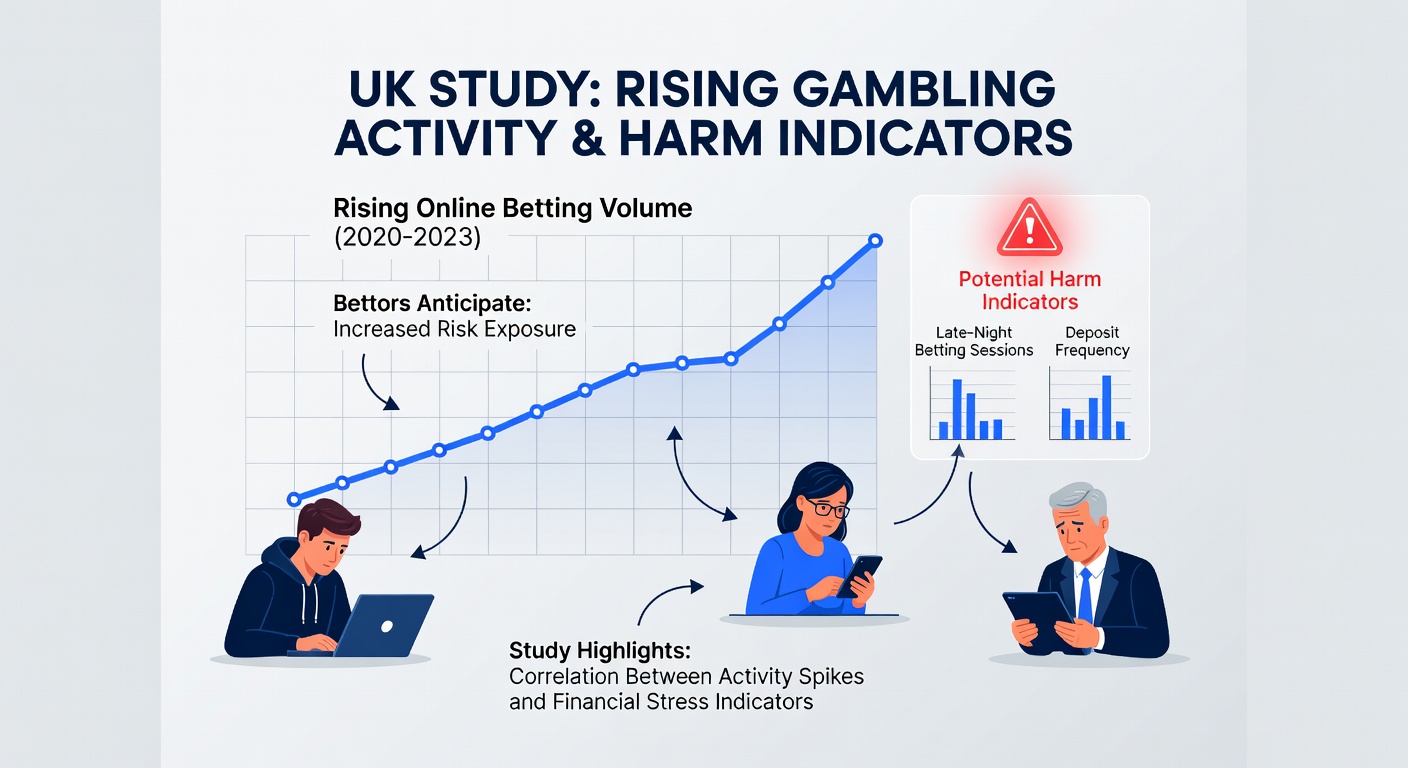
Gathering steam with over 400 signatures, the letter to Culture Secretary Lisa Nandy calls out the checks' potential to devastate racing; trainers who've built yards on punter loyalty, alongside MPs attuned to constituency impacts, lend credibility that amplifies the BHA's stance. This isn't fringe opposition—it's a chorus from those embedded in the sport, highlighting how 120,000 punters facing financial scrutiny might simply vanish, boosting black market bets that evade all safeguards. Studies on gambler behavior, including research on documentation requirements, back this concern, showing compliance burdens often drive users underground where protections vanish.
So as the Gambling Commission eyes its next-month verdict, the letter positions Nandy as the circuit-breaker; her department oversees culture and sport, making intervention logical if racing's £2bn loss trajectory accelerates under new rules. Those who've followed these battles know unity like this sways outcomes, much like the tax win, and with protests on the horizon, the industry's resolve hardens.
Black Market Risks and Turnover Woes
Horseracing's £2bn turnover erosion since 2021 paints a stark picture; affordability checks could widen that chasm, as 120,000 punters balk at submitting docs and flock to unregulated sites promising seamless bets. Data from prior crackdowns shows this pattern—punters prioritize ease, so offshore operators snag shares, leaving licensed books and racing levies starved. Experts observe that while checks target vulnerability, they inadvertently fuel shadows where problem gambling thrives unchecked, a twist that undercuts the policy's intent.
Yet the BHA, fresh off tax triumph, eyes direct actions to hammer this home; imagine protests at major meets, banners waving as crowds swell, all underscoring how racing's ecosystem—from jockeys to farriers—hangs by betting threads. The open letter ties it neatly, with signatories detailing personal hits from declining wagers, urging Nandy to pivot before the Commission seals fates.
Gambling Commission's Pivotal Moment
Next month's decision looms large; the Commission, balancing gambler protection with industry viability, weighs evidence from trials where checks sparked drop-offs. For horseracing, already nursing turnover wounds, approval spells trouble—punters deterred, black markets emboldened, levies slashed. Observers who've dissected Commission moves note flexibility when backlash builds, as in the tax saga, so BHA's protest plans could tip scales if they echo loudly enough.
And with April 2026's spring meets underway, timing adds urgency; trainers prepping horses need stable funding, bookies demand volume, and the BHA readies to escalate if talks falter. The 400-plus signatories amplify this, their letter a public ledger of dissent that Nandy can't ignore amid her sport portfolio.
Escalation Tactics on the Table
Direct actions top the BHA's considerations—rallies, track disruptions, even Whitehall marches—mirroring tactics that buried the tax hike. Those who've orchestrated such campaigns know visibility wins; headlines force ministers to engage, especially when MPs co-sign pleas like the one to Nandy. The £2bn loss since 2021 serves as rallying cry, proof that unchecked regs erode the sport's base, while 120,000 punters' plight personalizes the fight.
It's noteworthy that black market drift, fueled by doc demands, erodes trust in regulated betting; figures from analogous policies confirm evasion rates climb, starving sectors like racing. So the BHA, channeling past success, positions protests as necessary evolution, keeping pressure taut until the Commission's call.
Where the Campaign Stands Now
As April 2026 unfolds, the BHA monitors Nandy's response and Commission whispers, their protest arsenal primed if needed; the open letter's 400 signatures stand as testament to breadth, from grassroots trainers to parliamentary allies. Turnover's £2bn slide underscores stakes, black market shadows lengthen with check threats, and punters brace for paperwork that could scatter them. Unity, as proven before, holds the key—whether through letters or streets, the industry pushes back, eyes fixed on preserving racing's betting pulse.